PAHs (polycyclic aromatic hydrocarbons) are mainly formed during incomplete combustion processes of organic materials and other pyrolytic processes. Only a minority of PAHs are industrially synthesised and serve as a basis for the chemical industry. PAHs consist of at least two condensed benzene rings. They are divided into low molecular weight PAHs (2-3 rings) and higher molecular weight PAHs (4-6 rings). PAHs are predominantly neutral, non-polar solids and only very slightly soluble in water. Volatility and solubility (also in organic solvents) decrease as the number of condensed rings increases.
Of the several hundred known PAH compounds, 16 individual substances are of particular importance. These have been selected by the US EPA (United States Environmental Protection Agency) as lead substances for environmental analysis and are analysed, for example, in the area of contaminated site investigation and drinking water testing. Some PAHs (e.g. benzo[a]pyrene) are classified as mutagenic or carcinogenic compounds.
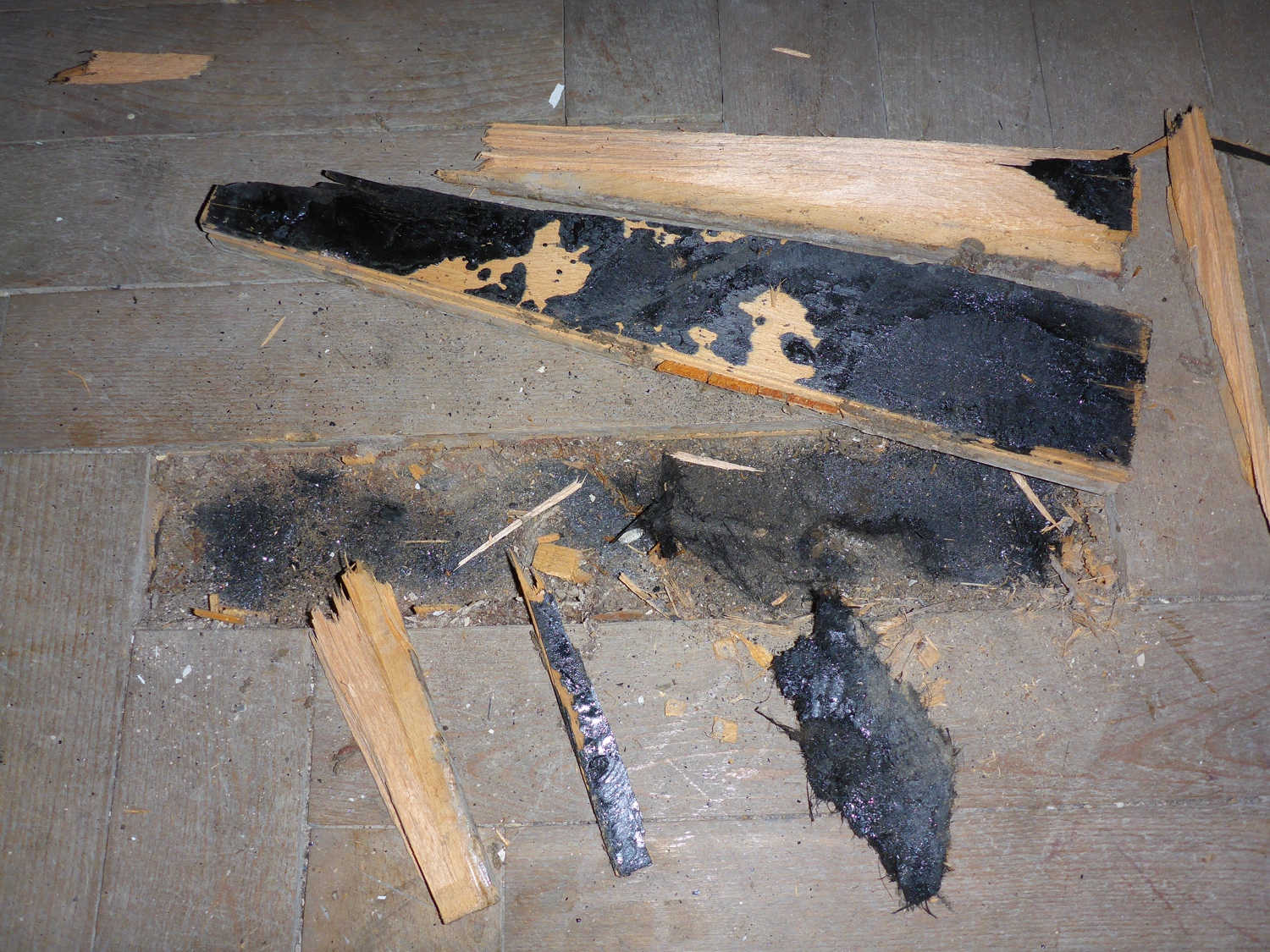
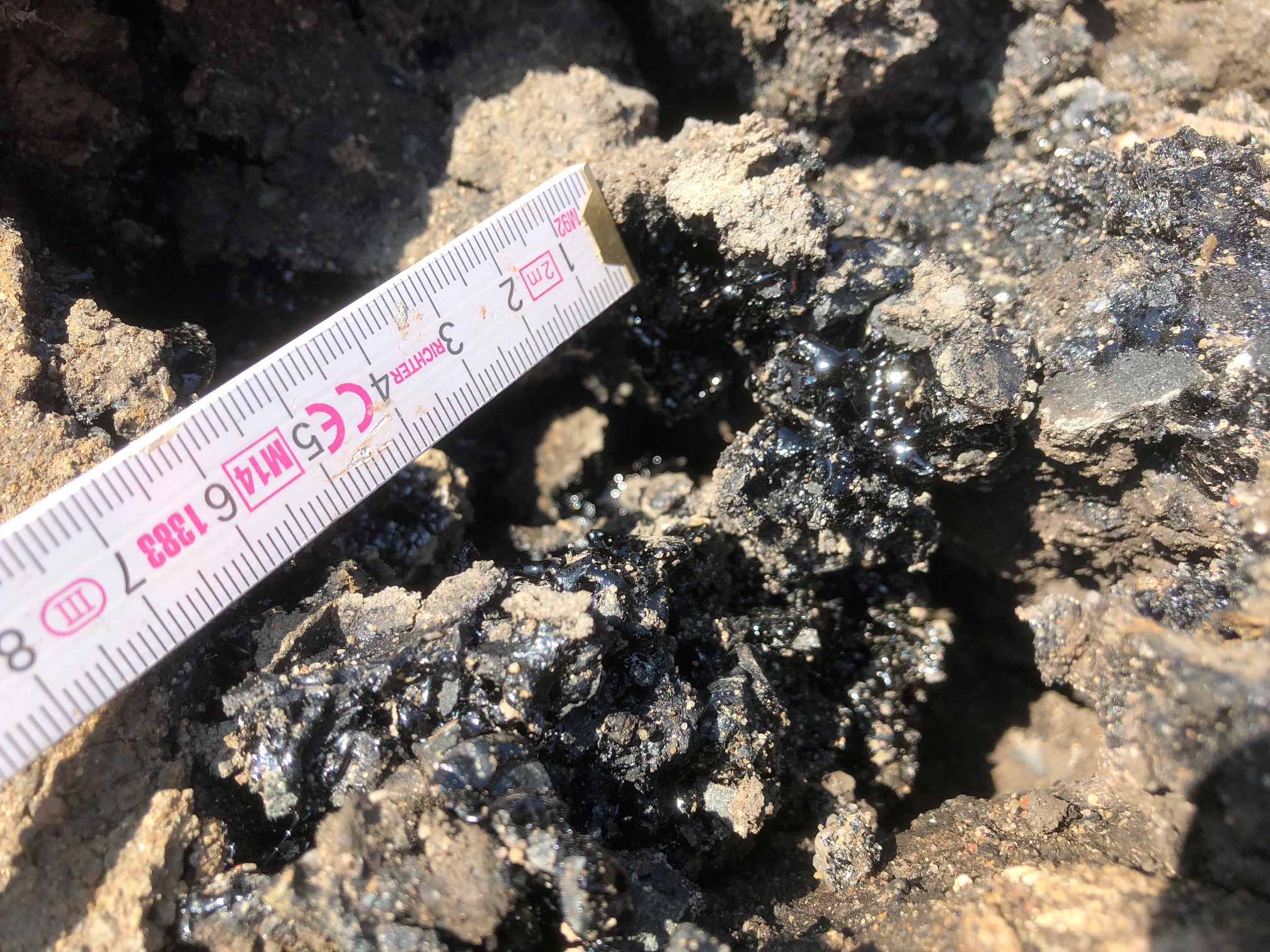
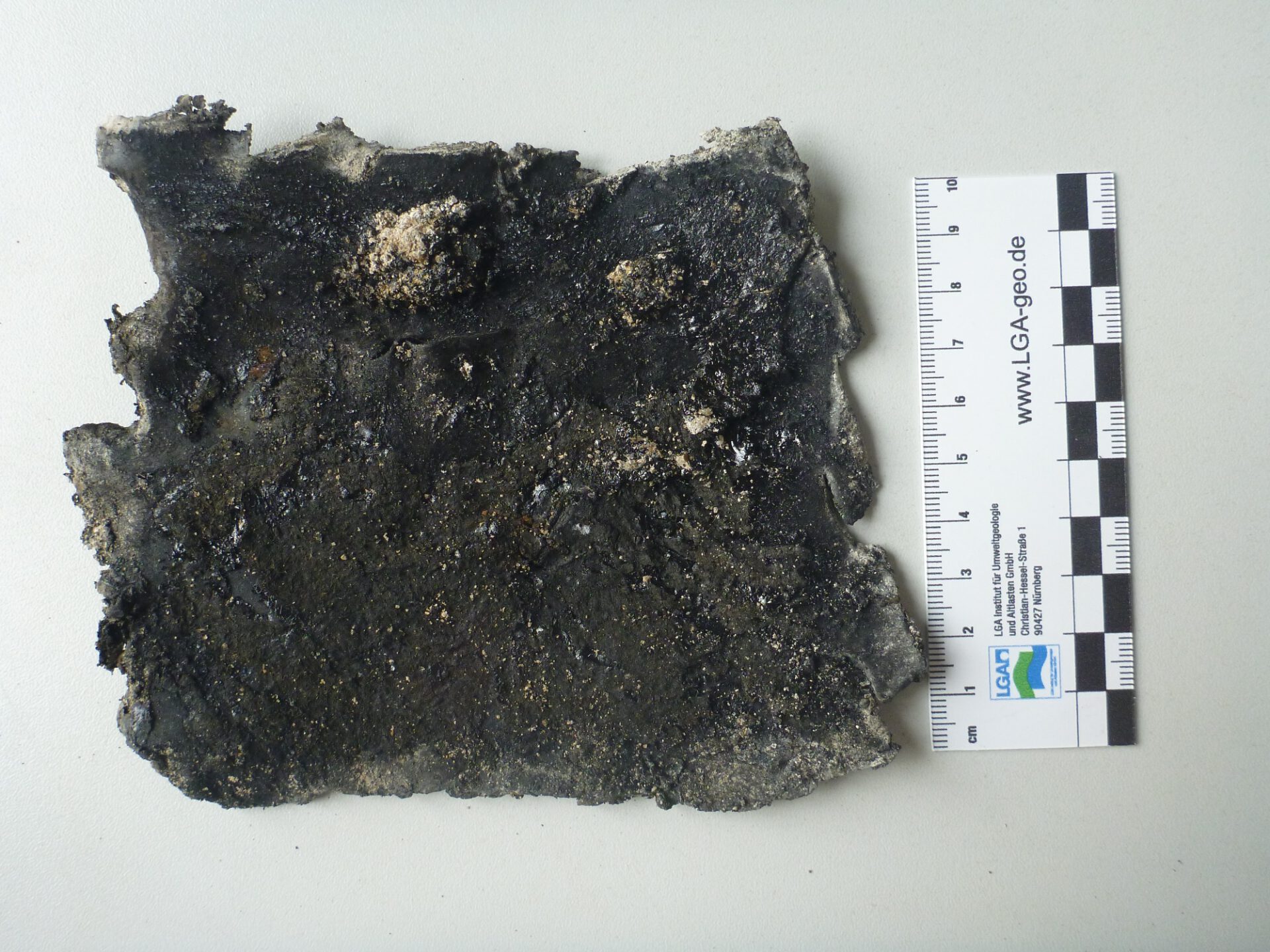
PAHs can be e.g. in older asphalt coverings, parquet adhesives, tar and roofing felt, welding membranes, black coatings and joint sealing compoundsoften in connection with Chrysotile (white asbestos) find.