
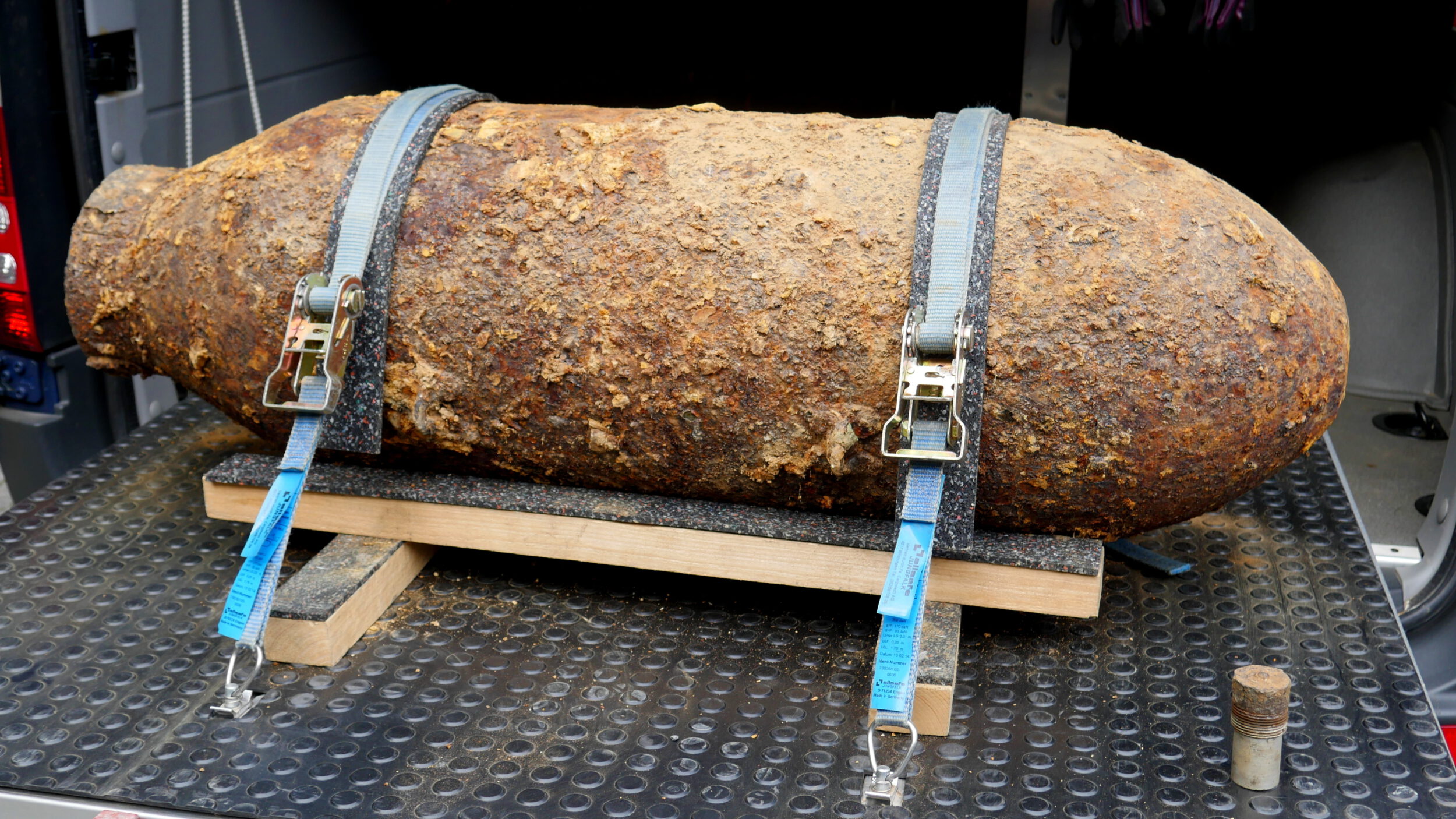
Checking suspected explosive ordnance creates safety
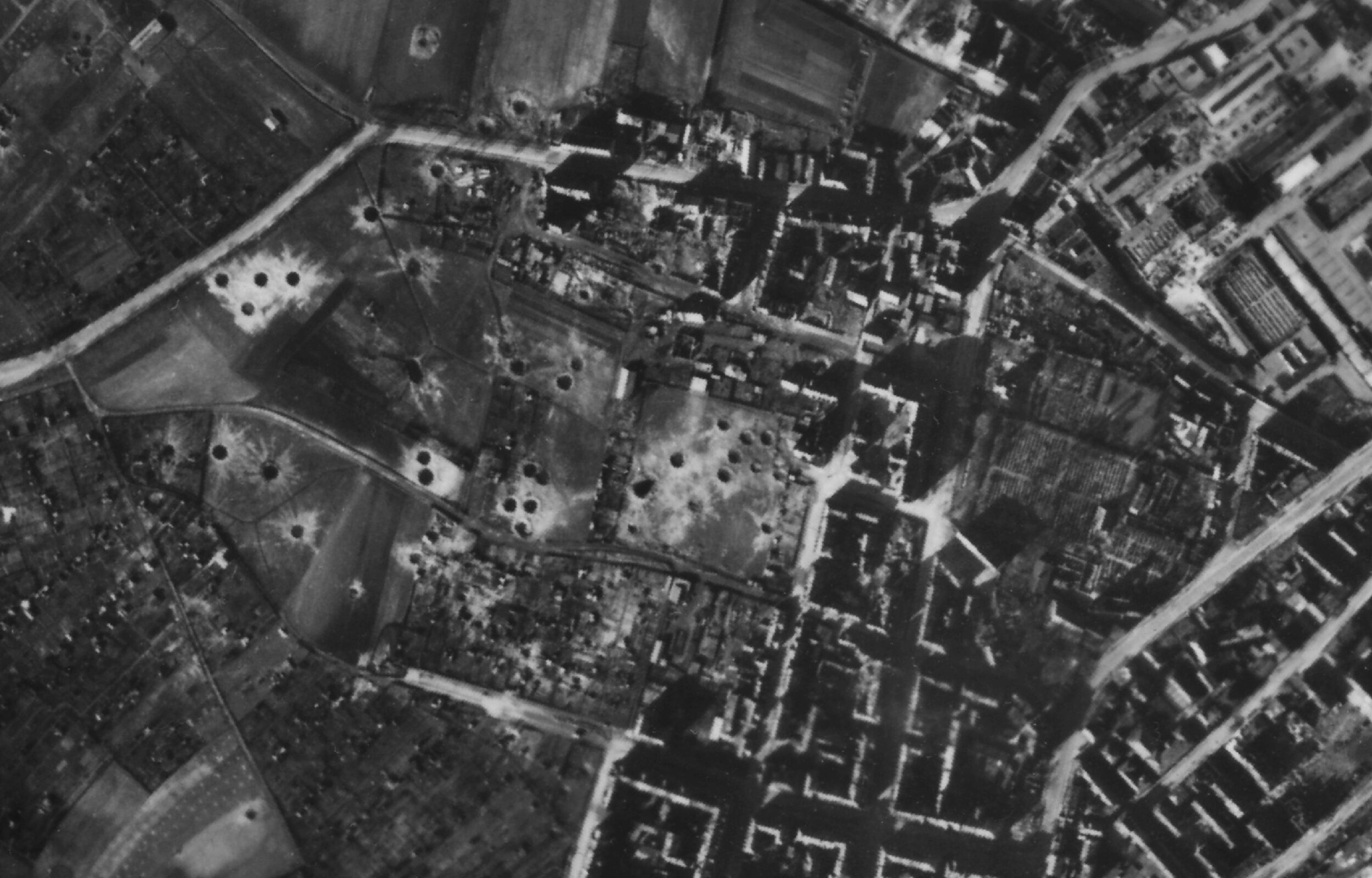
Under occupational health and safety law, both employers and clients have a duty to protect their employees and the company carrying out the work (joint responsibility of the client). This includes the subsoil risk with the included risk of "explosive ordnance". According to the Construction Site Ordinance and the Occupational Health and Safety Act, all work must be planned and carried out according to the state of the art in order to avoid risks to life and health. Safety planning is required for this. In anticipation of a construction project, historical research into the course of the war in the area of the construction site and aerial photo analyses must therefore be carried out to check whether a risk of explosive ordnance can be ruled out.
We provide support for suspected explosive ordnance and clearance
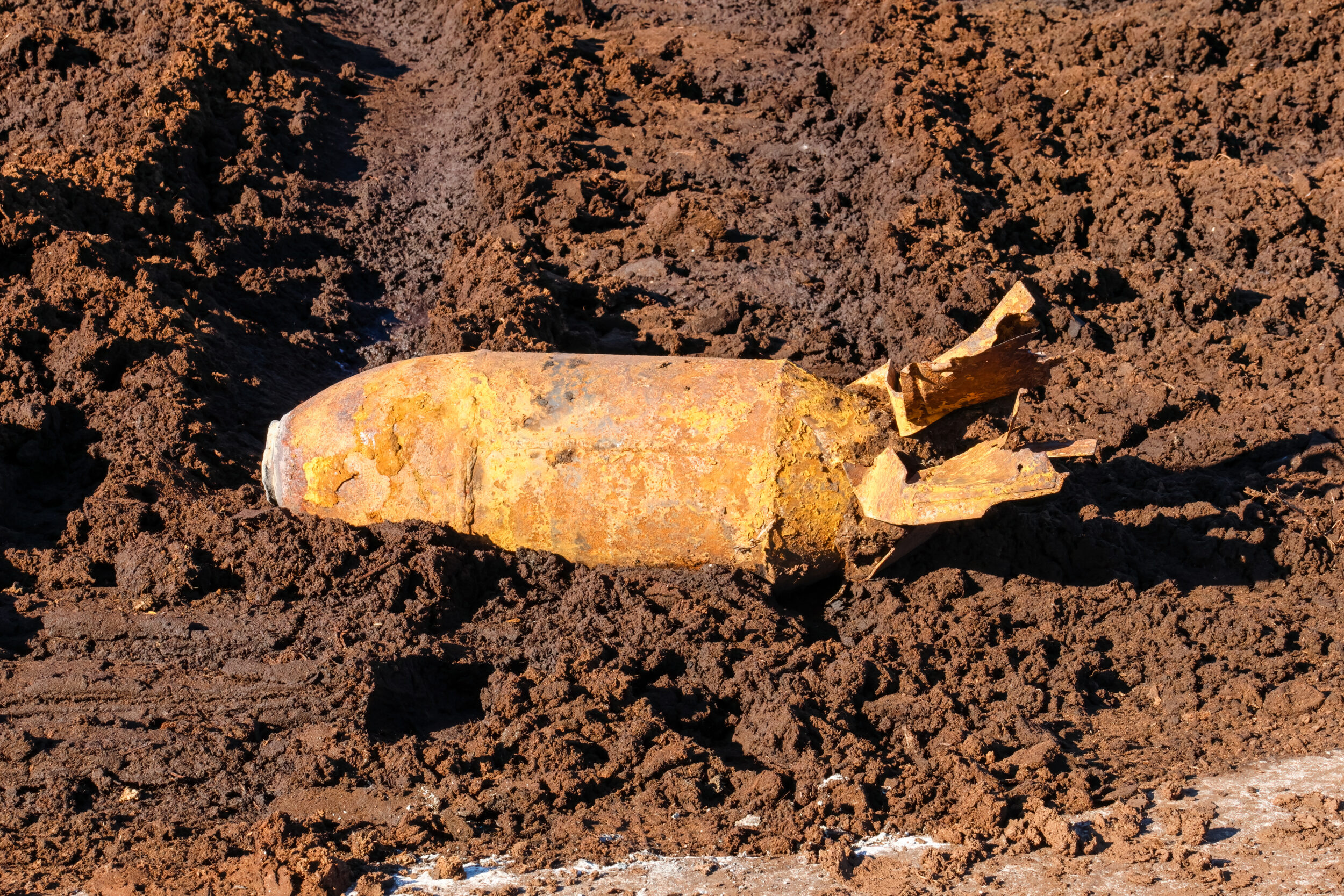
With our extensive literature database and an archive of aerial photographs, we are often able to quickly investigate initial suspicions of explosive ordnance. If the suspicion is confirmed, our co-operation partners support us with extensive explosive ordnance research. If this results in a need for action to locate explosive ordnance or to draw up a clearance concept, we organise and coordinate the necessary services and support our clients until the clearance is successfully completed. In co-operation with geotechnical experts, we assess the effects of emergency blasting on surrounding structures (blast wave, vibrations, flying fragments).
Our services
- Historical research and aerial photo analyses (with subcontractors if necessary)
- Risk assessments (with subcontractors if necessary)
- Concepts for technical explosive ordnance clearance (in co-operation with subcontractors)
- Organisation of explosive ordnance clearance

Our competences
-
Specialist office for old armaments (Bavarian State Office for the Environment)
-
Certified inspection centre for military ordnance and explosive ordnance (ISO 9001)