
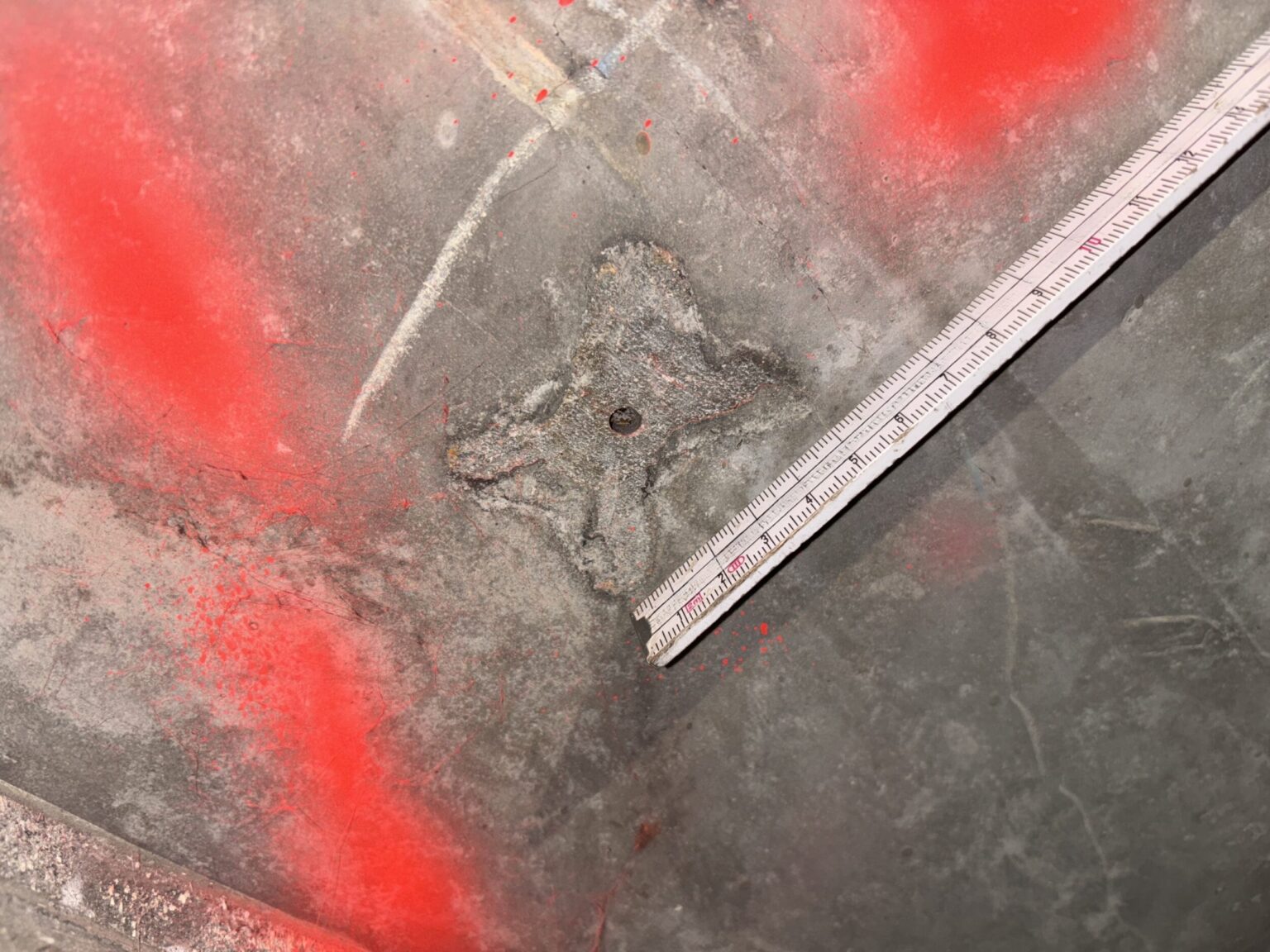
Between 1960 and 1993, asbestos-containing spacers and pipe sleeves/wall thicknesses were used in reinforced concrete construction, with the main period of use being from 1970 to 1985. Spacers are necessary to ensure sufficient concrete cover when forming the components. It is estimated that they were installed at a density of approximately 4 pieces per square meter, with a spacing of 50-100 cm. Today, plastic or (asbestos-free) fiber cement products are used for this purpose.
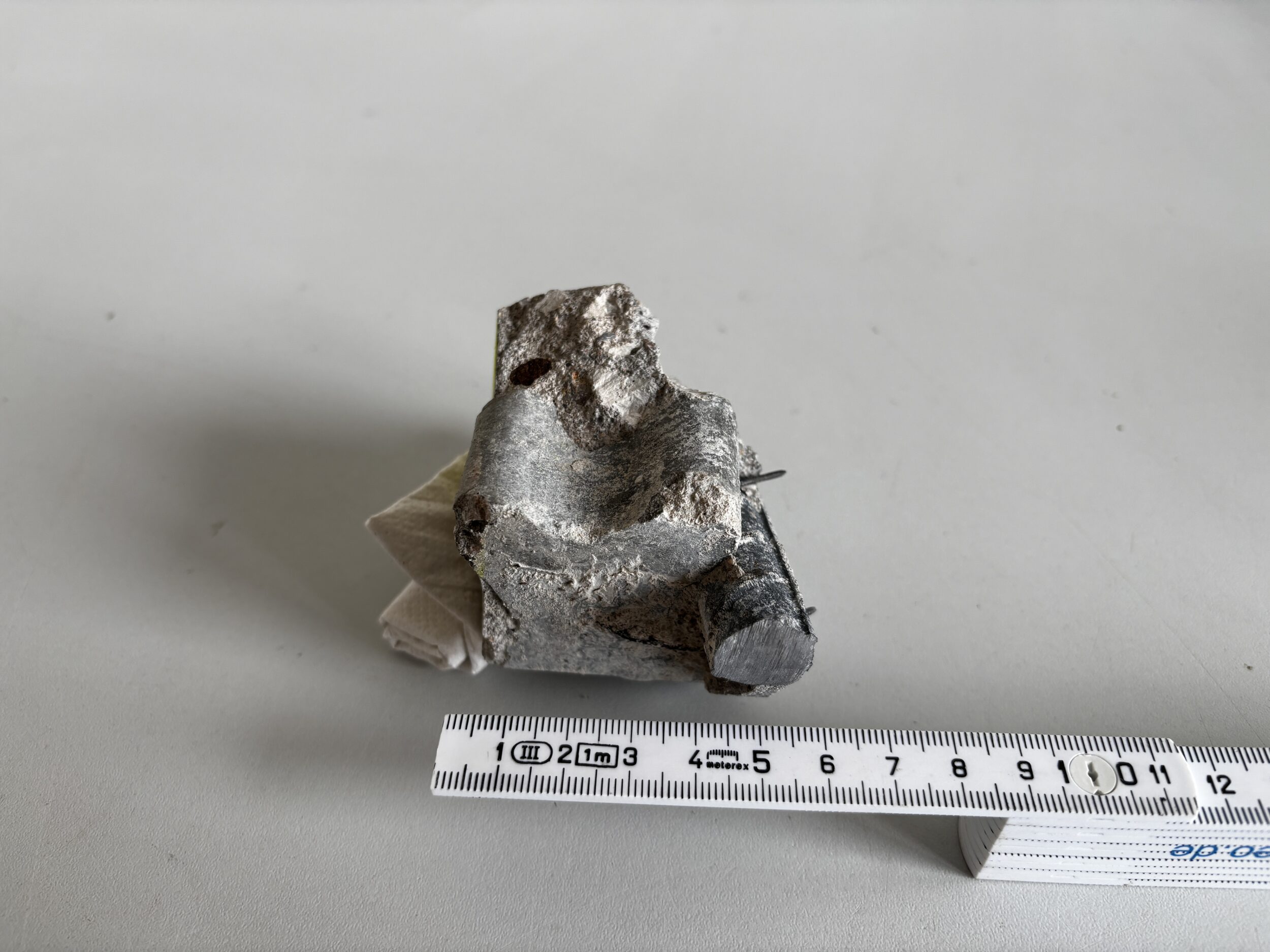
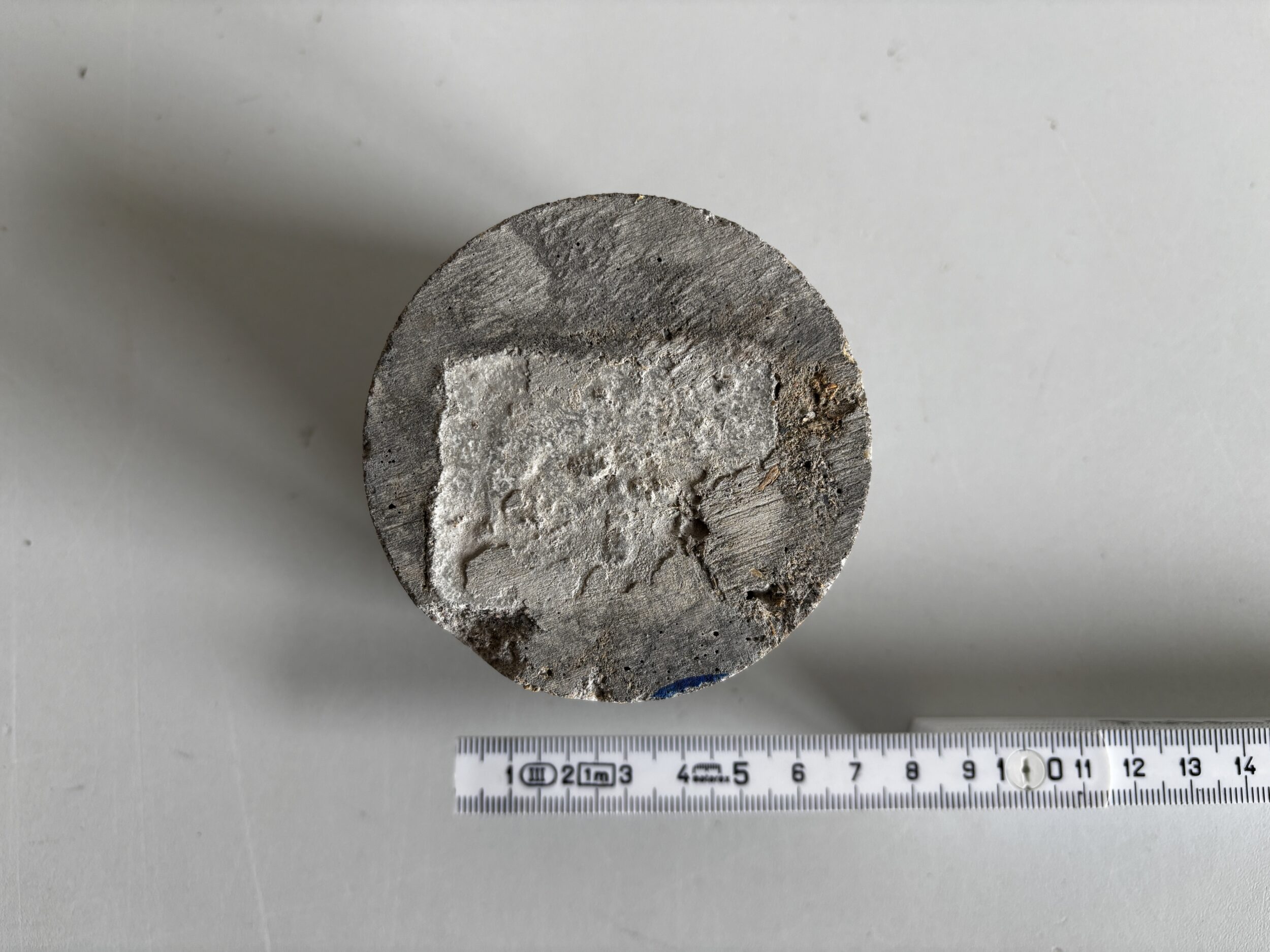
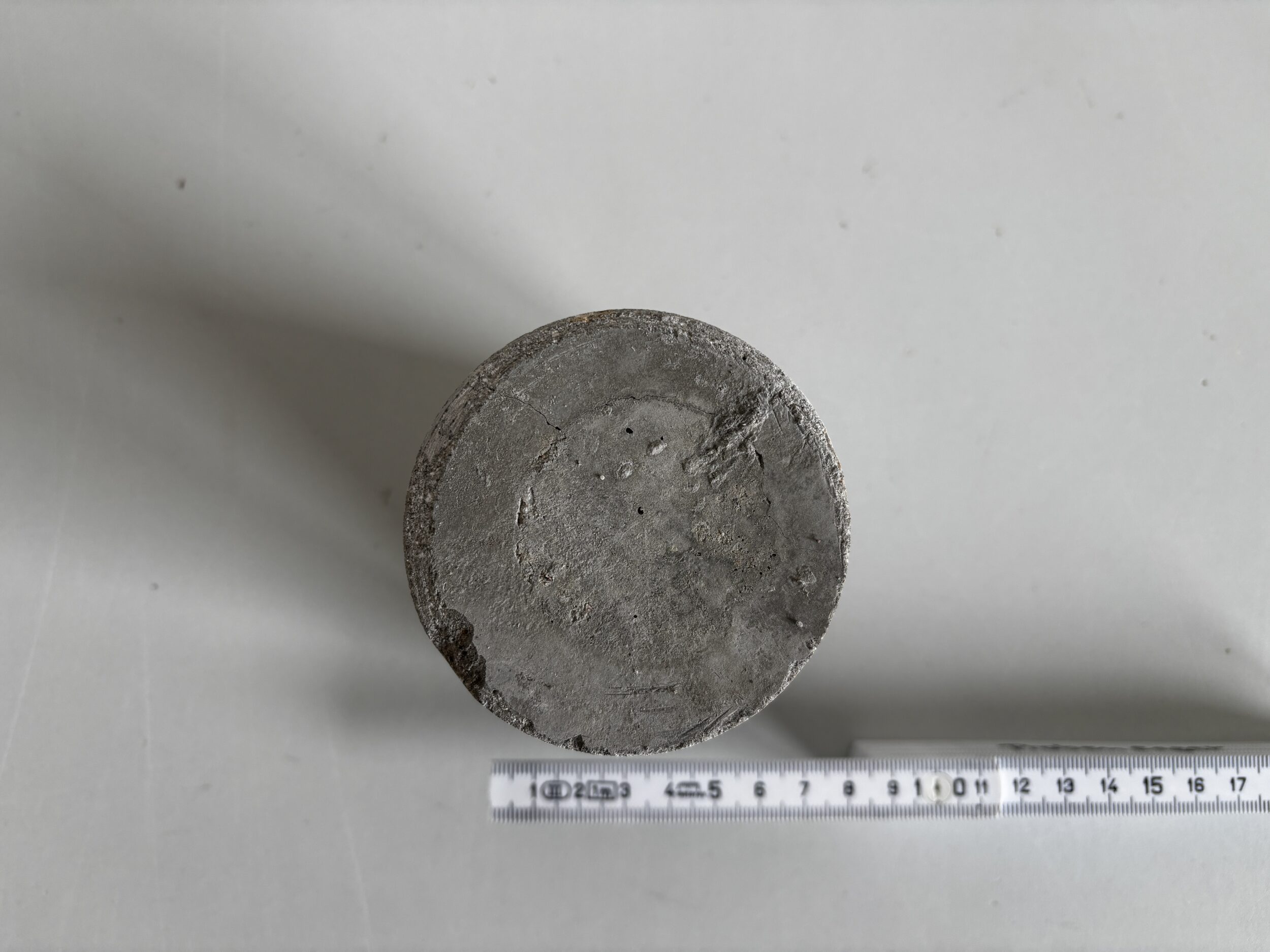
Asbestos-containing materials in older buildings today pose an obstacle to demolition and recycling. In addition to occupational safety risks, disposal problems arise if asbestos-containing components are not separated. To plan and carry out this process properly, a qualified survey is required.
Survey by the LGA
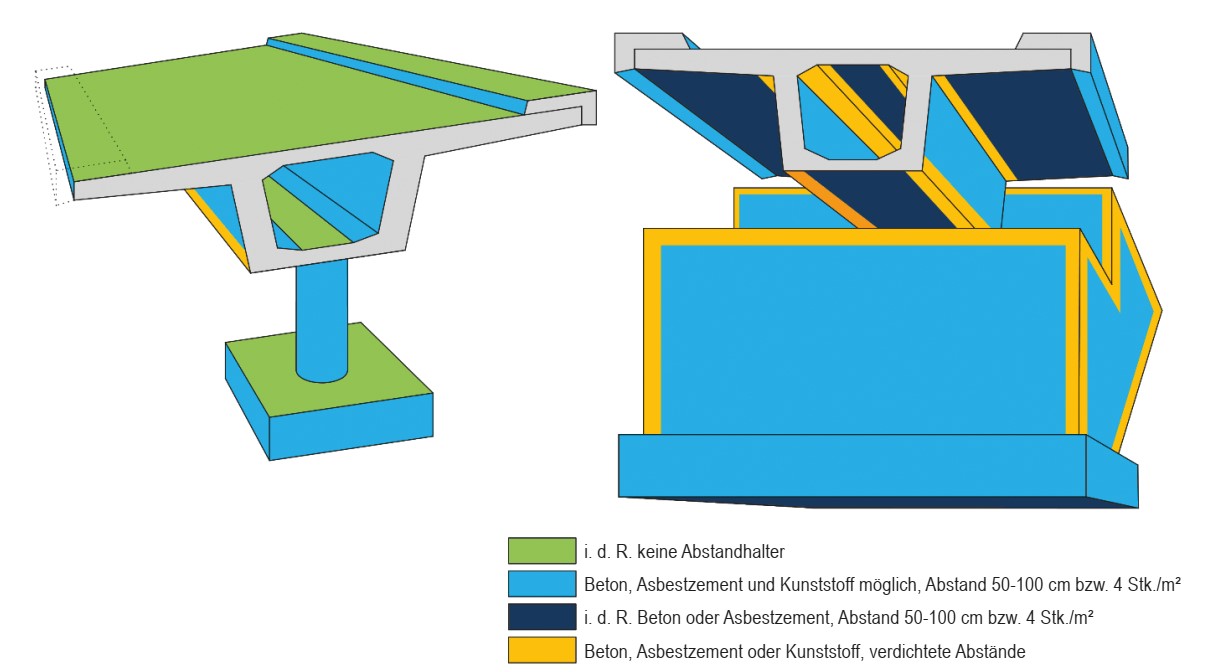
The basis for the survey of asbestos in buildings is the VDI Guideline 6202 Part 3. It specifies a representative sampling method adapted to the respective type of asbestos product (number of samples, sampling technique). Additionally, for asbestos-containing spacers, there is a publication by the Federal Highway Research Institute (BAST): "Concept for Determining the Location and Number of Asbestos-Containing Spacers in Concrete Bridges," Bridges and Civil Engineering Issue B 200, July 2024.
A phased approach is recommended for all reinforced concrete structures. First, all available information, such as reinforcement plans, should be evaluated ("Historical Research"). The next step involves a visual inspection ("Preliminary Inspection"), similar to the close-up visual inspection according to DIN 1076. The goal here is to assign materials in simple cases or to obtain sample material with minimal effort.
In many cases, only a "full inspection" with the exposure of spacers and representative examination can provide clarity. For this purpose, the surface must be removed using low-emission methods (grinding with direct extraction) at several points over an area of approximately 1 square meter each, down to near the reinforcement level. This applies to each structural element separately, as different materials may have been used.
Pollutant removal
If the systematic survey reveals asbestos-containing spacers and/or wall thicknesses, a significant portion can be removed before demolition by drilling/chiseling if used consistently. If this is not feasible, post-demolition sorting can separate asbestos-containing and non-asbestos-containing fractions. Corresponding procedures are currently under development but are not yet available on a large scale.
Conclusion
Surveys for asbestos-containing spacers and pipe sleeves are absolutely necessary for reinforced concrete structures, especially from the period between 1970 and 1985, prior to demolition. The high effort is justified considering the achievable high recycling rate, which prevents extreme disposal costs if the entire material otherwise has to be deposited as asbestos-containing waste.