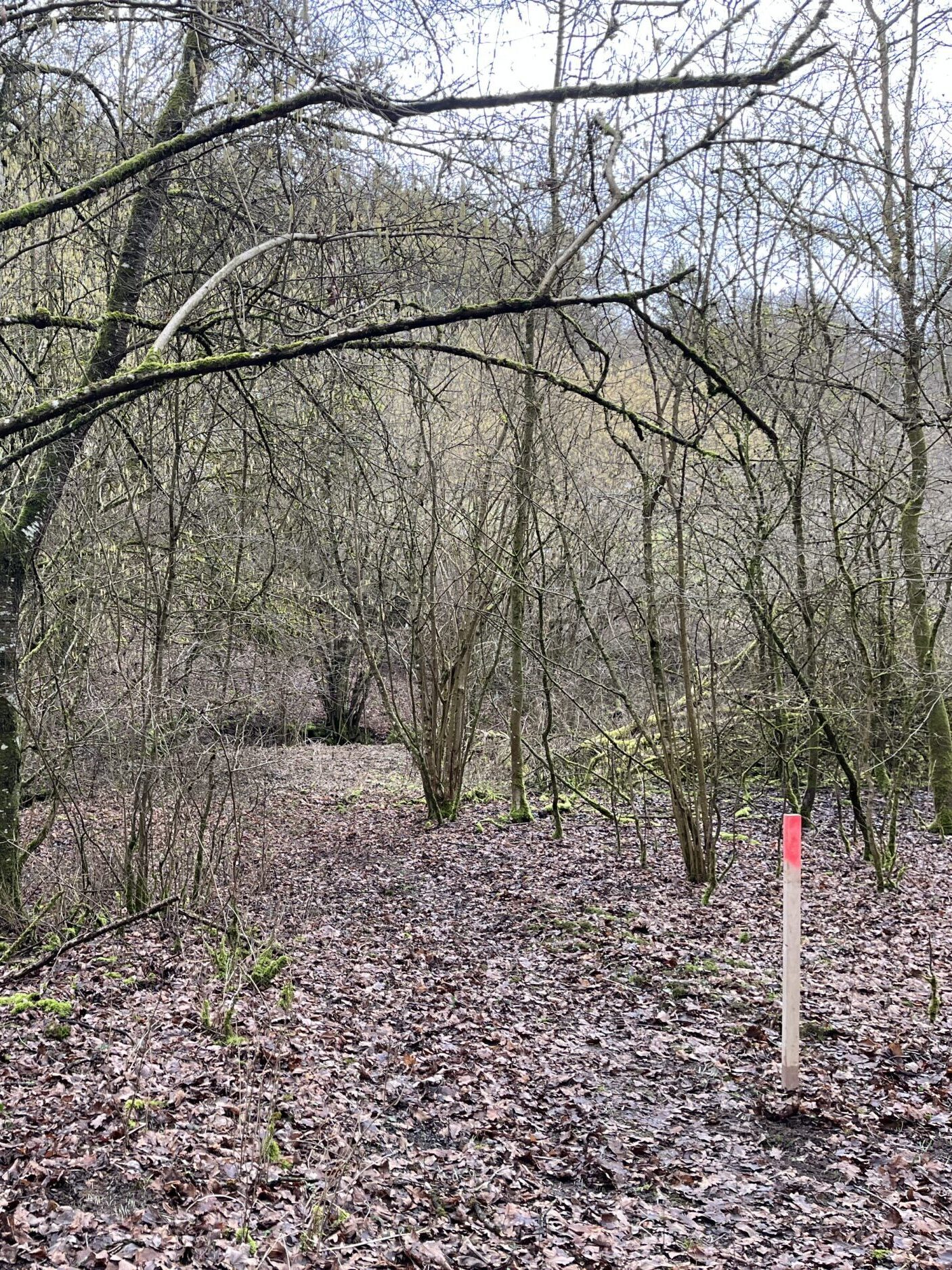
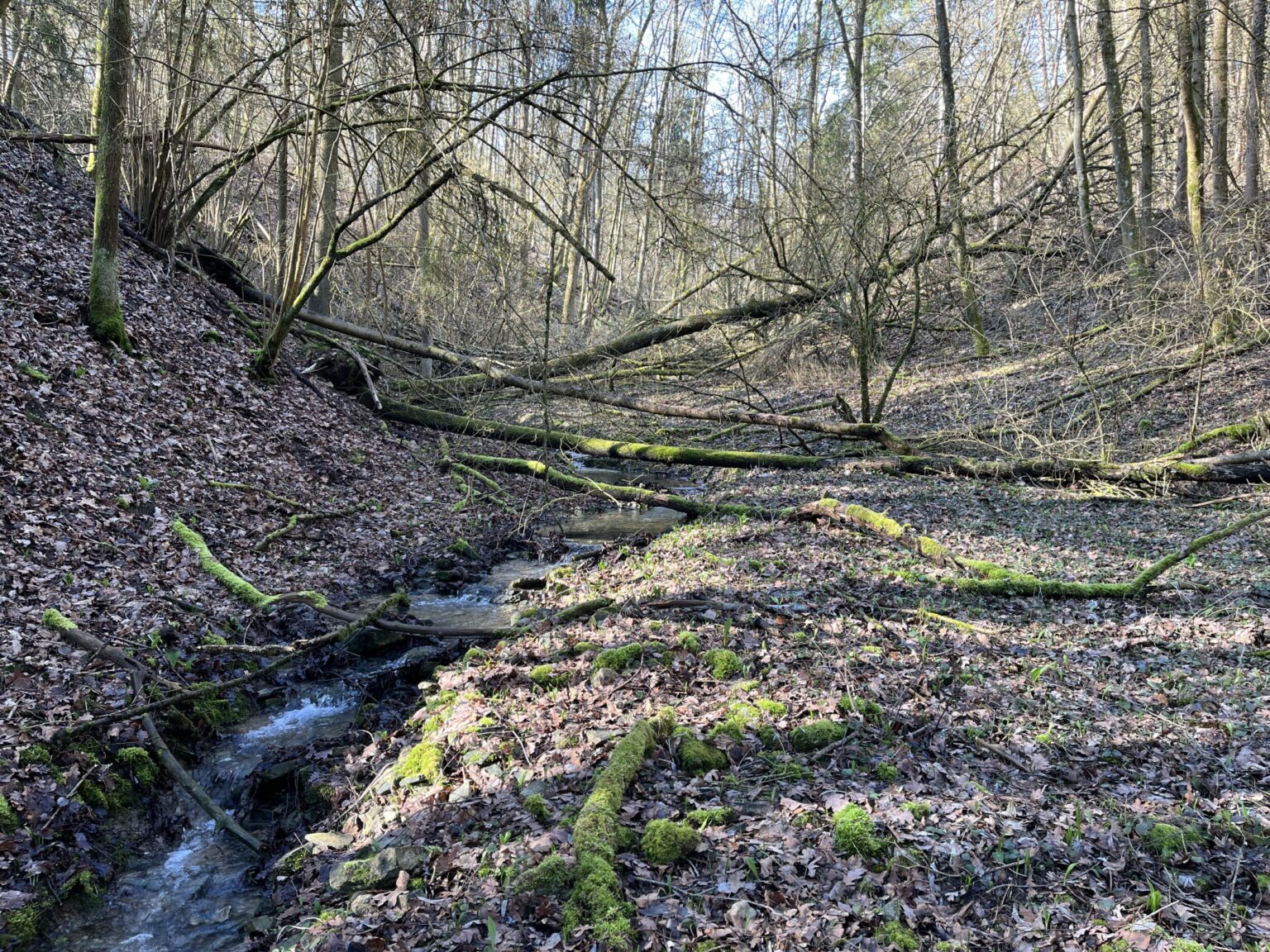
At the end of February 2026, LGA experts Ira Stassinopoulos, Tobias Gebhard and Michaela Kukuk conducted an exploratory investigation at a decommissioned clay pigeon shooting range. The facility is hidden at the edge of a small valley traversed by a stream. However, the idyllic appearance is deceptive—beneath leaves and moss, traces of its former use can still be found.
What exactly is a clay pigeon shooting range?
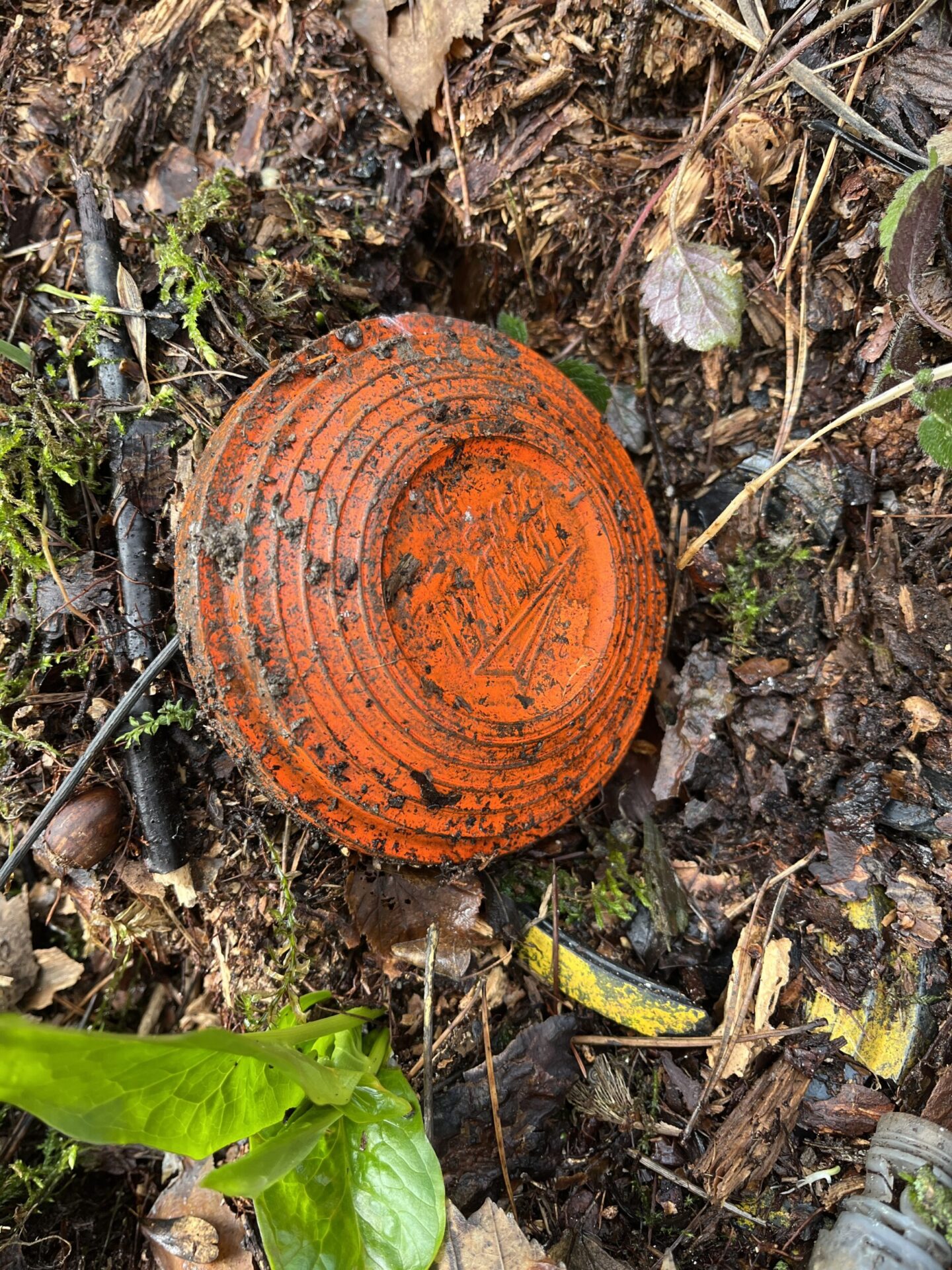
At such facilities, sport shooters or hunters practice shooting at moving targets in an outdoor environment. Using shotguns and shotgun ammunition, they aim at clay targets that are launched into the air. The throwing machine catapults the flat discs skyward, and upon impact they shatter. In the process, both the lead pellets and the clay fragments accumulate in the soil.
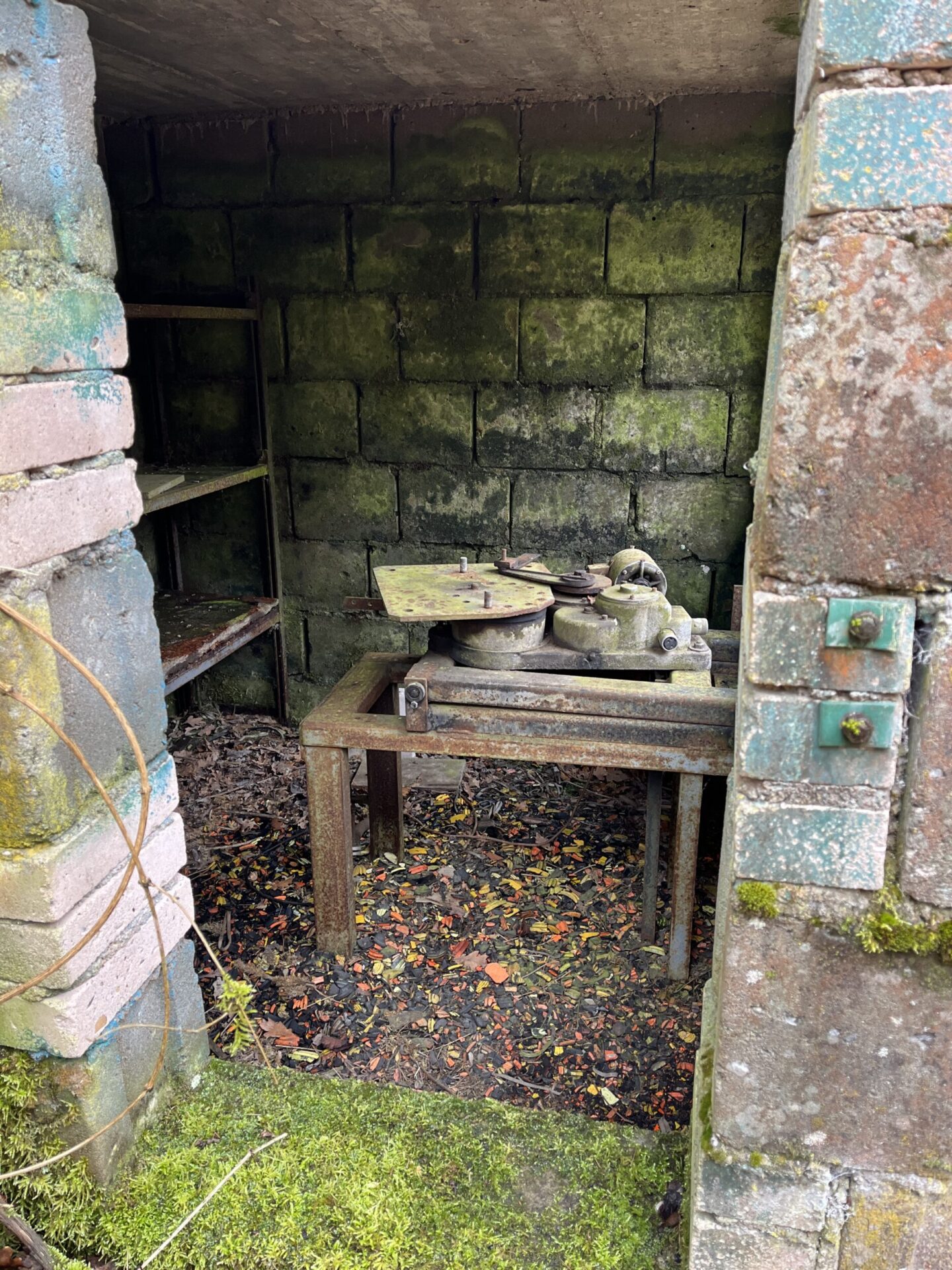
Why can residues in the soil become a problem?
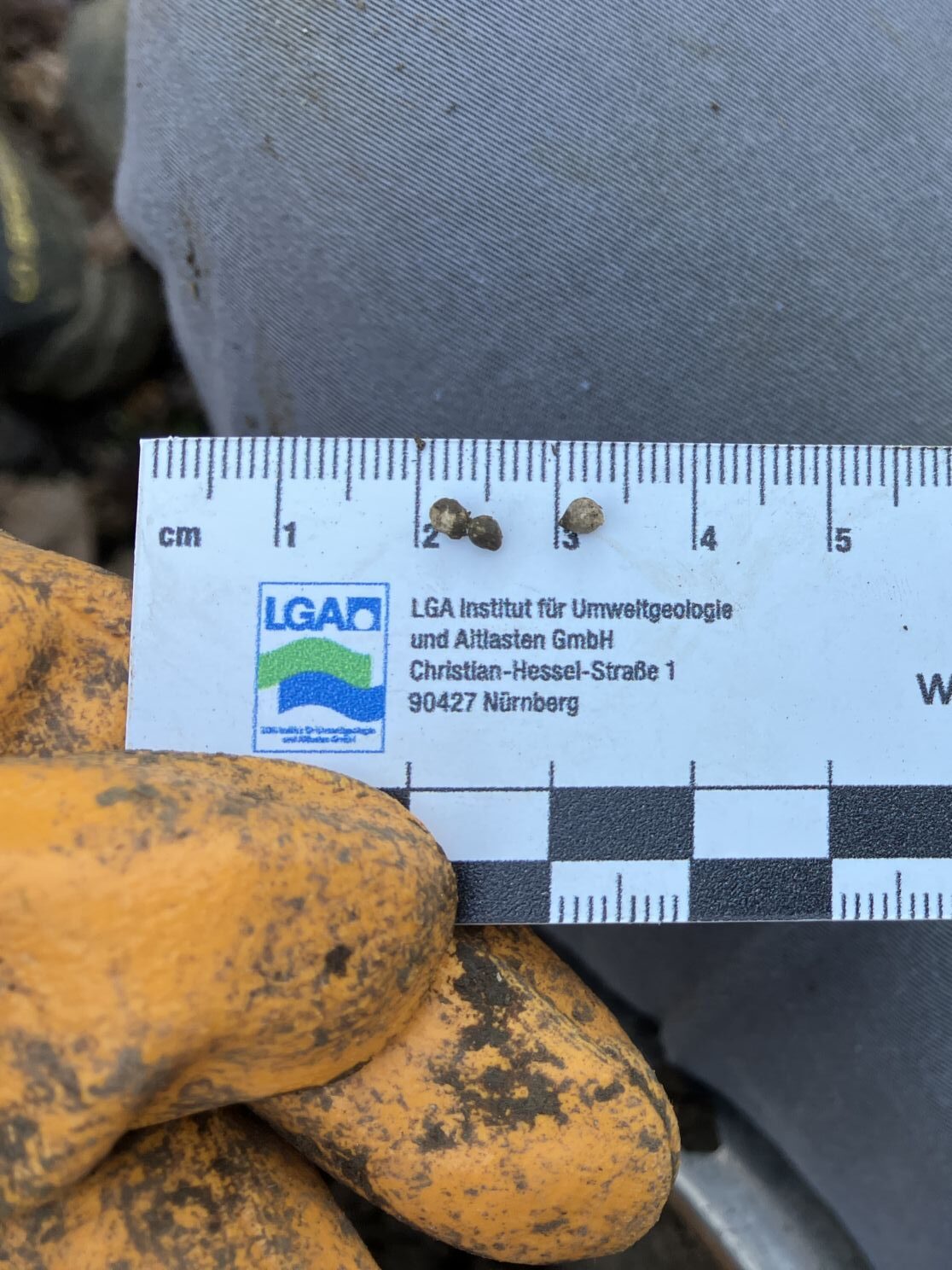
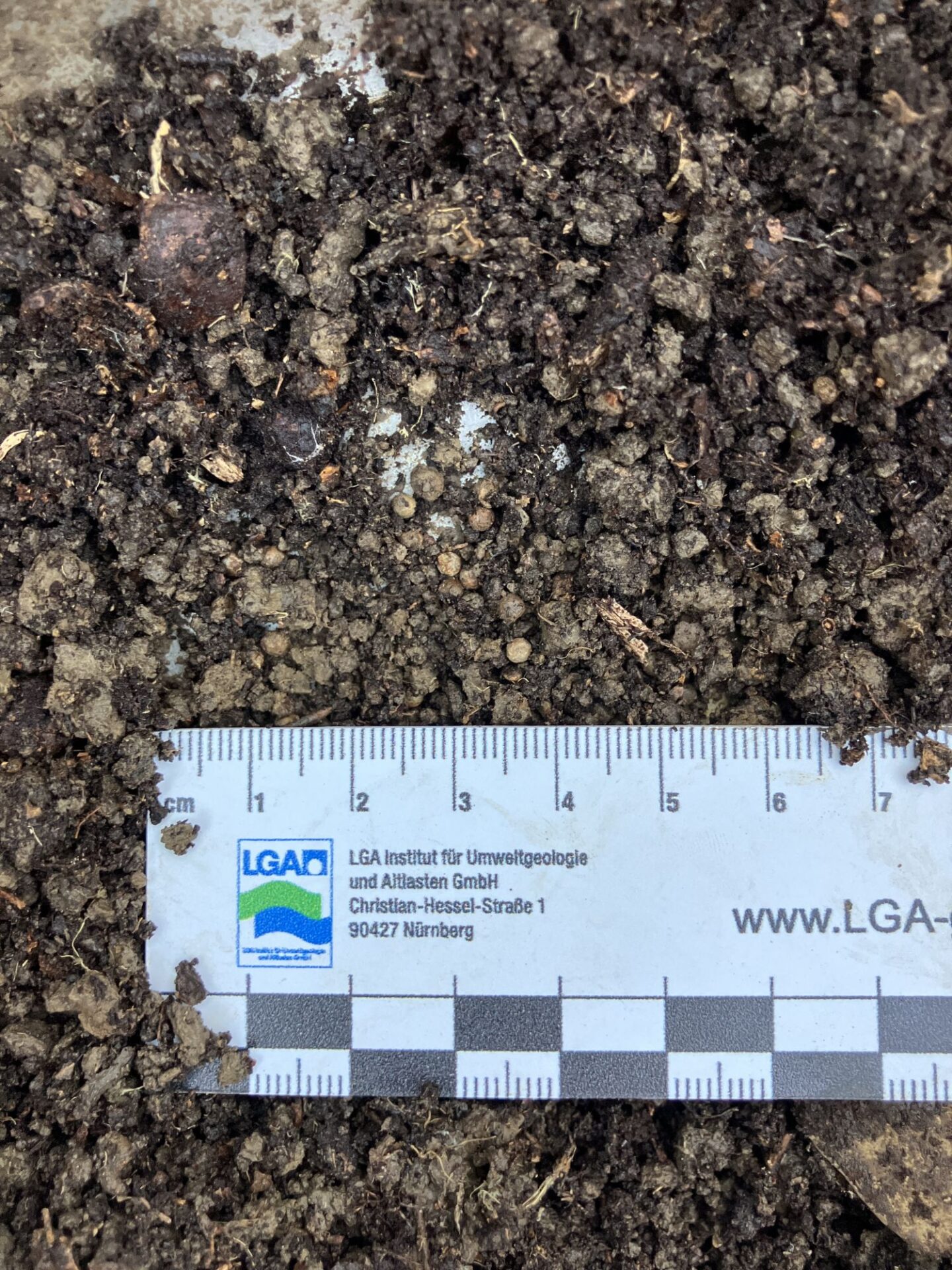
Although the facility has long been decommissioned, residues from its former use remain in the soil. The lead shot commonly used at the time contains not only lead, but also antimony and arsenic—substances classified as hazardous and potentially harmful to both humans and the environment. Today, lead shot is largely replaced by more environmentally friendly steel or soft‑iron shot.
The clay targets, in turn, may contain polycyclic aromatic hydrocarbons (PAHs), as coal tar or petroleum pitch was previously used as a binding agent in their production. Several individual substances within this group are classified as carcinogenic.
Over the years, lead, antimony, arsenic and PAHs can accumulate in the soil and be mobilised by precipitation. Through percolating water, these substances may migrate into the groundwater. The extent of the actual risk depends on the site’s operational history and on the geological conditions or, more specifically, the buffering capacity of the soil.
How was the on-site investigation carried out?
- Staking out four mapping transects, each 100 metres in length
- Estimating the density of lead shot at ten locations along each mapping transect
- Mapping the dispersion area of the clay target fragments
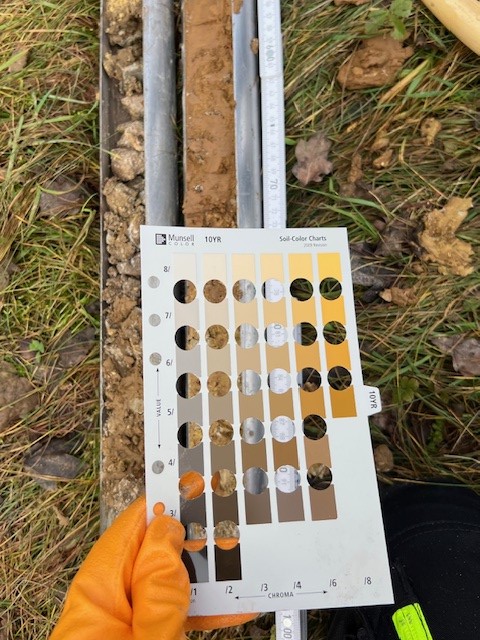
- Abteufen von 5 Handbohrungen inkl. Profilaufnahme nach KA5
- Horizon-specific collection of 28 composite samples
The chemical analyses of the samples will determine whether the suspected contamination can be ruled out. If not, a detailed investigation will be required.