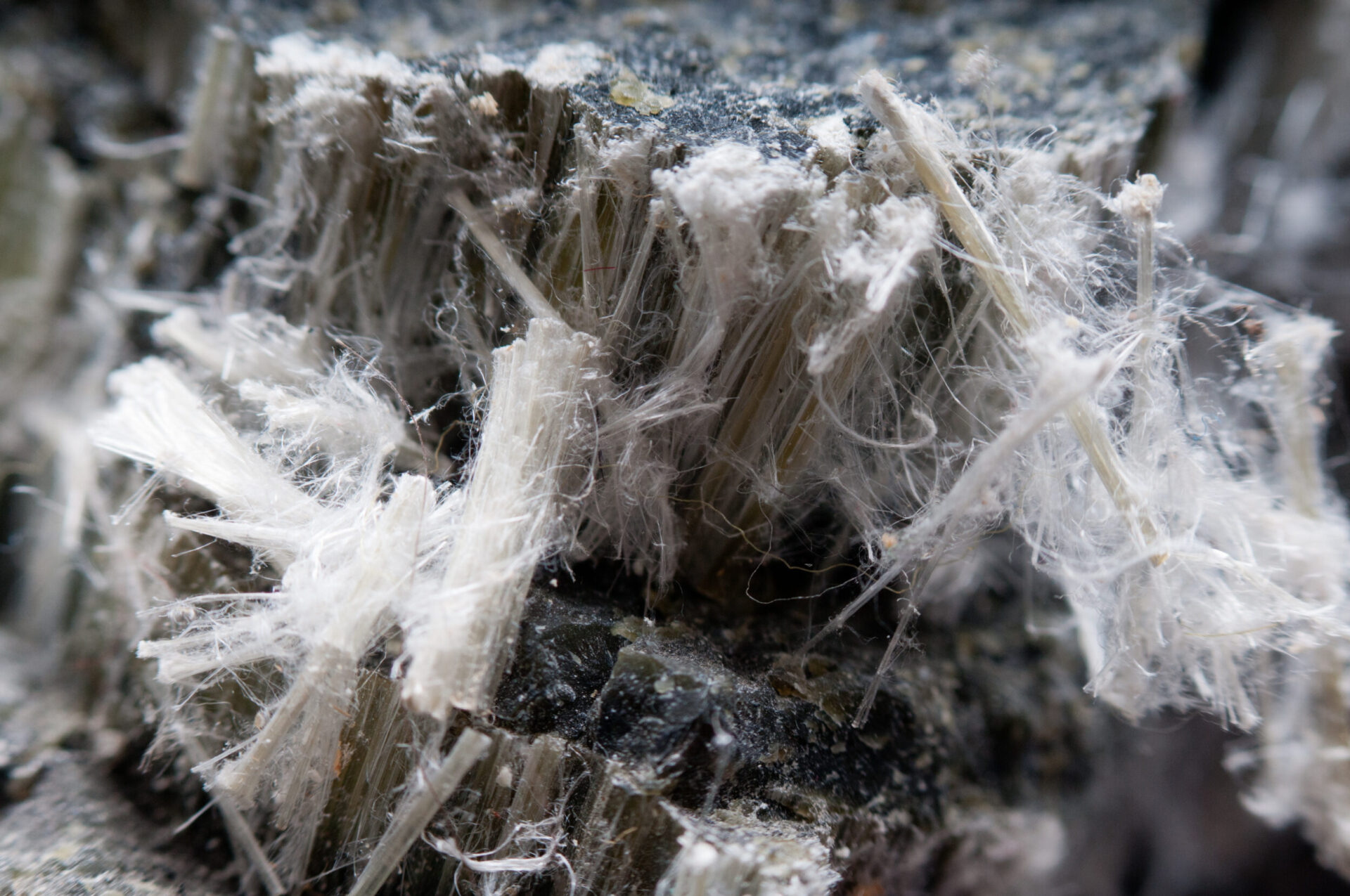
Asbestos is a collective term for various naturally occurring, fibrous crystallised silicate minerals which, after processing, produce technically usable fibres of various lengths. An important representative is Chrysotile (white asbestos).
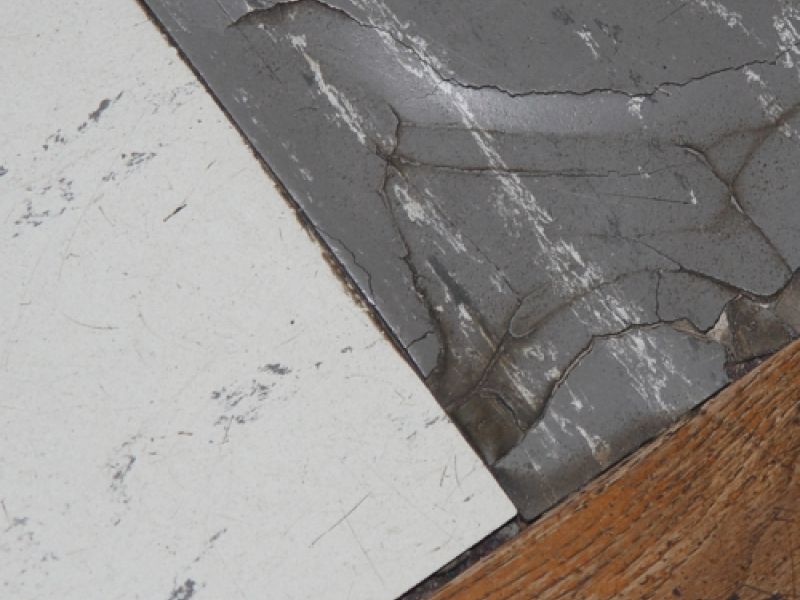
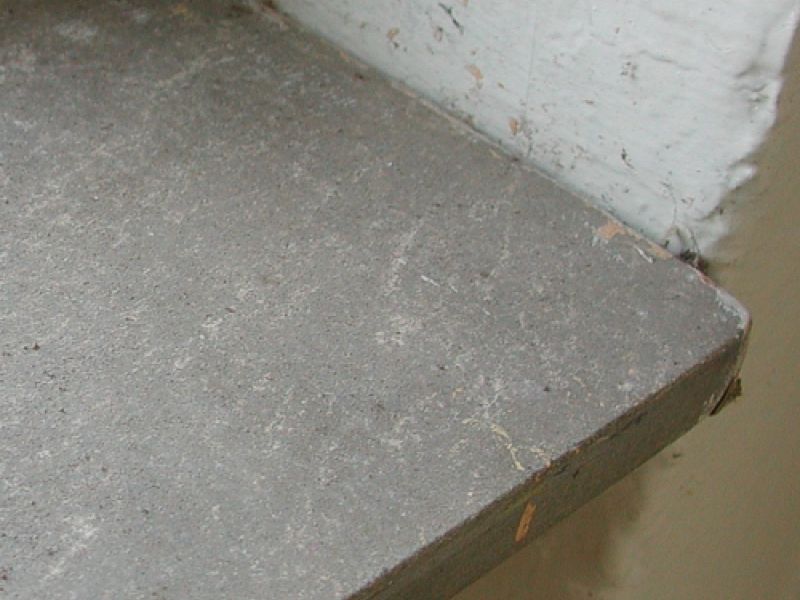
Asbestos was also known as the "miracle fibre" because it has great strength, is heat and acid resistant, provides excellent insulation and the asbestos fibres can be spun into yarns and woven. With these prerequisites, asbestos was able to establish itself in thermal insulation, the construction industry and for textiles in the field of occupational safety and filtration. It was used in a wide variety of products, particularly in the 1960s and 1970s, e.g. in boards, cardboard, floor coverings, adhesives, mortars, levelling compounds, plasters, foams, etc. Due to the now clearly established health risks posed by asbestos, its use is now banned in many countries. In 1984, weakly bound asbestos products were banned in Germany. This was followed in 1995 by an extensive ban on the manufacture and use of materials containing asbestos, with very few exceptions. In Europe, a general ban on the manufacture and use of asbestos was not introduced until 2005.
Due to the widespread use of asbestos in older construction products Expert investigations of the building fabric is recommended for modernisation and demolition measures in older buildings. Particularly when upgrading the ventilation and fire protection systems of buildings (heating systems, ventilation and air conditioning systems, etc.), Fire dampersetc.), asbestos is increasingly an issue.