
LGA IUA: SUSTAINABLE CONSTRUCTION AND HAZARDOUS MATERIALS DISPOSAL
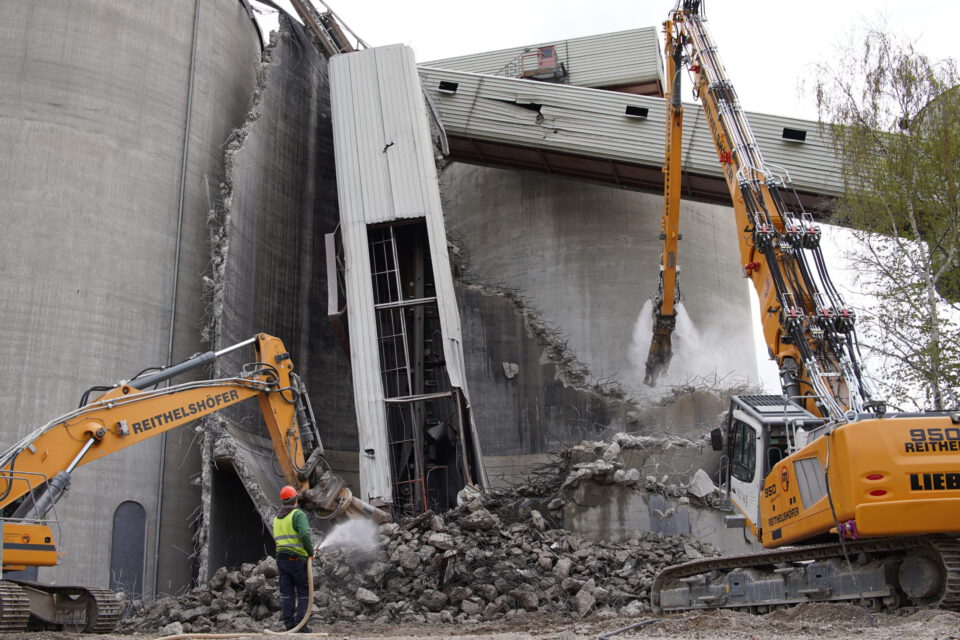
Hardly a week goes by without reports of bridges in Germany requiring major repairs. Even more concerning, many are found to be in such poor condition that they must be closed to traffic—often at short notice (see information box). In many cases, repair is no longer a viable option, making demolition and replacement unavoidable. In line with the principles of the circular economy, demolition materials can often be reused as valuable recycled construction materials. However, it must always be taken into account that many bridges were built using materials that are now classified as hazardous.
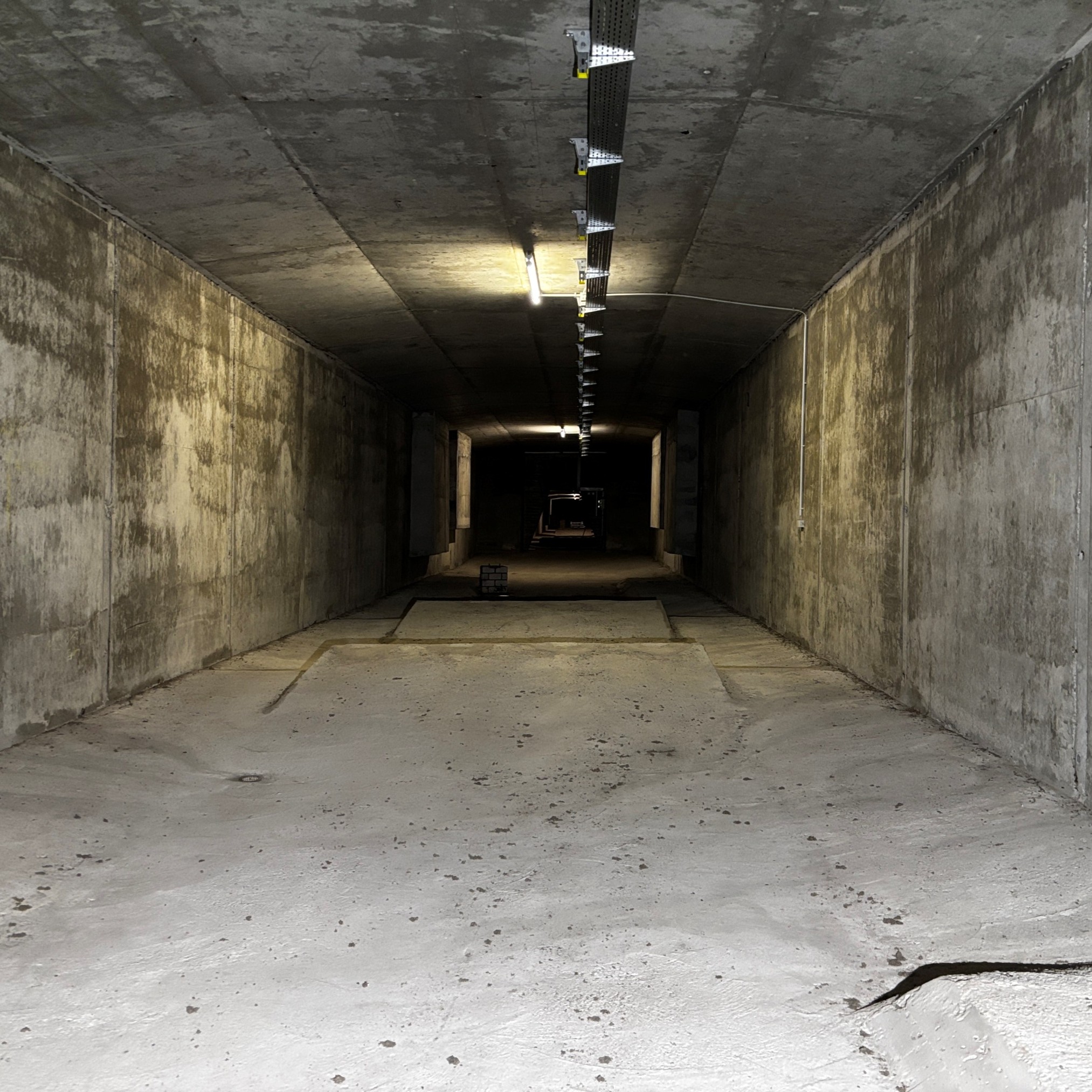
Box girder of a motorway bridge.
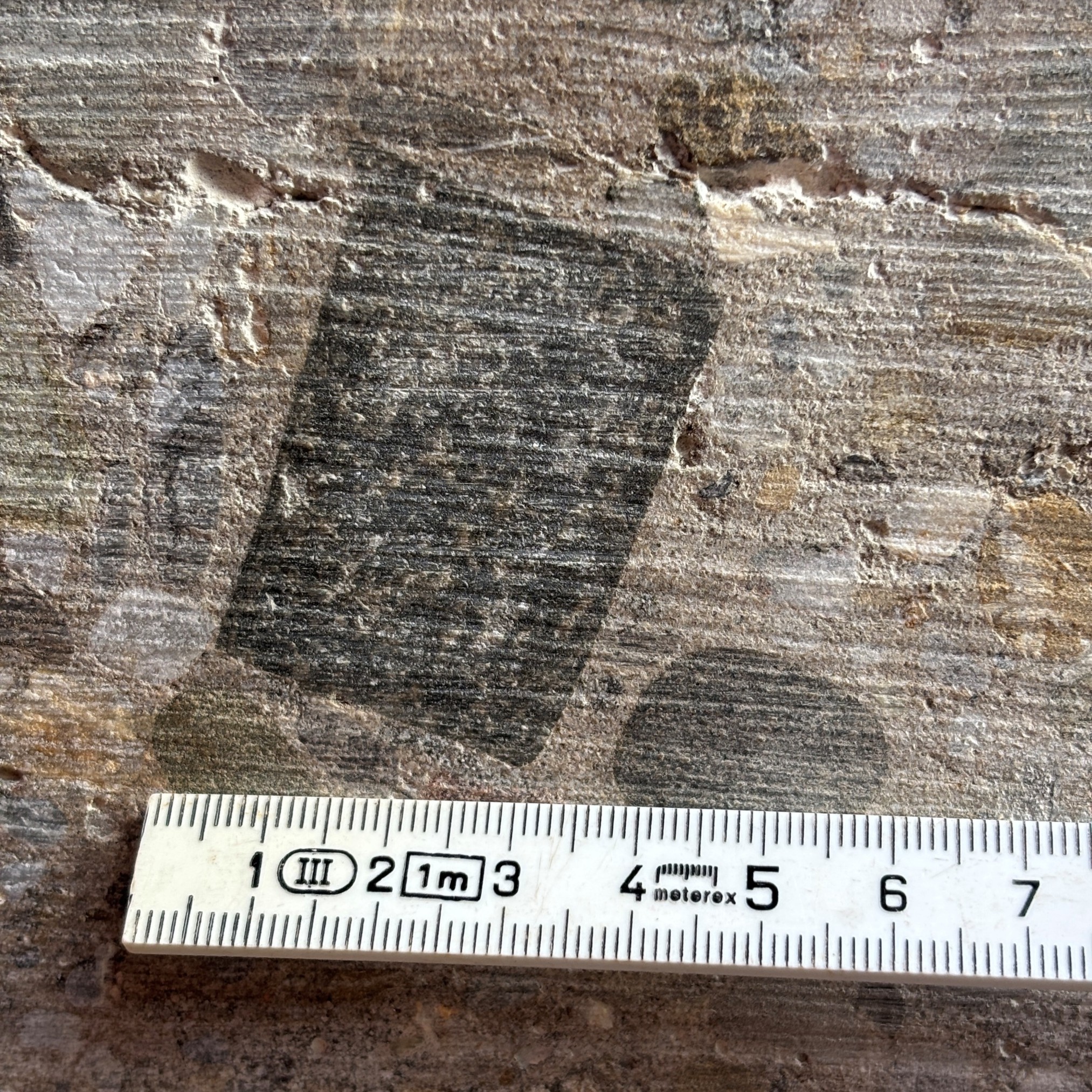
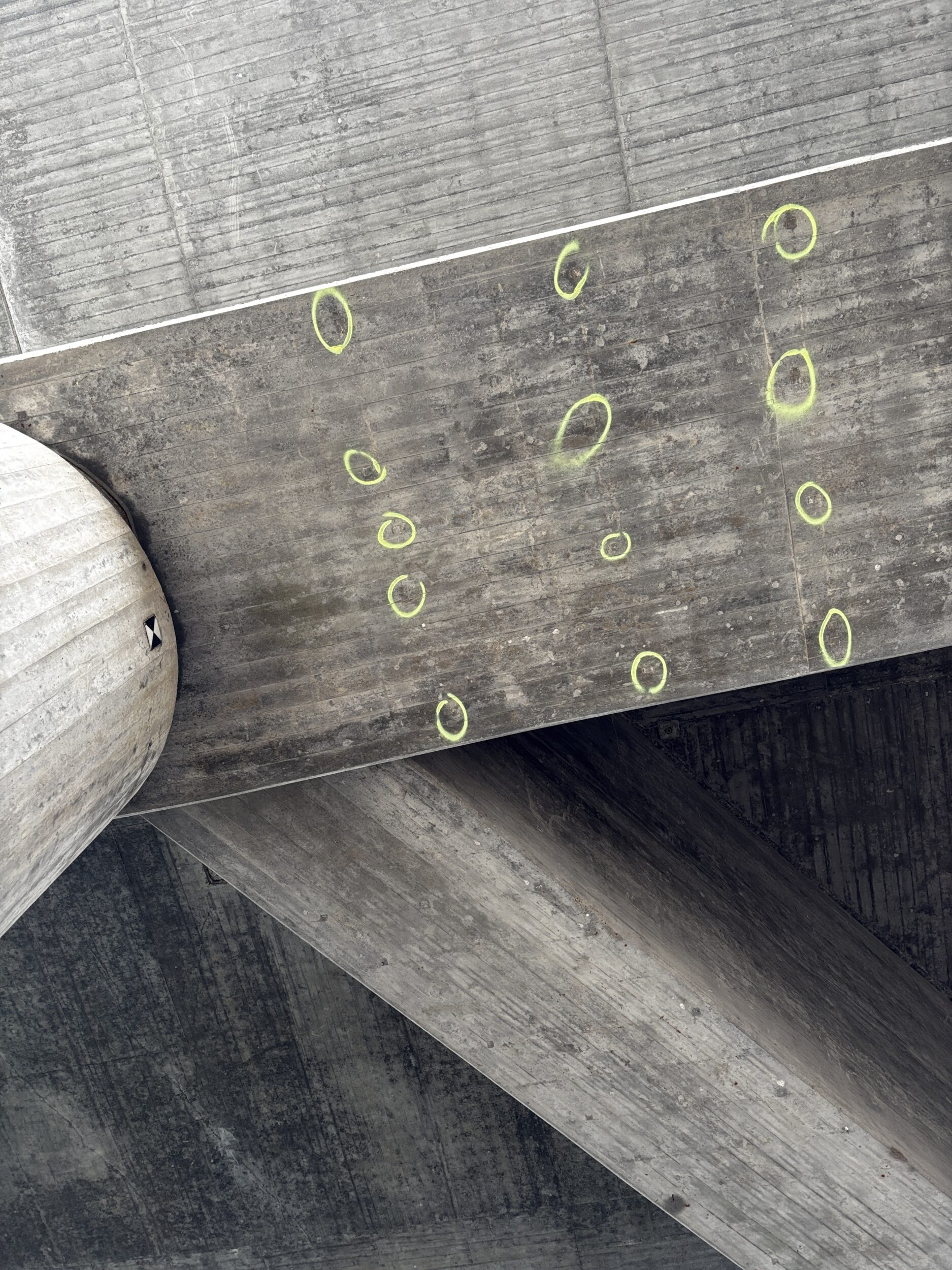
Spacer after surface exposure.
HAZARDOUS MATERIALS IN REINFORCED CONCRETE CONSTRUCTION: ASBESTOS AND PCBs
Reinforced concrete structures are often affected by hazardous materials. In particular, asbestos can be found in spacers as well as in formwork tie systems (sleeves, plugs and plug adhesive, sealing mortar, or asbestos-containing filler materials). Such spacers were commonly used in the construction of reinforced concrete structures from the 1960s until the final ban on asbestos in November 1993.
ASBESTOS IN CONSTRUCTION BECOMES A CHALLENGE DURING DEMOLITION
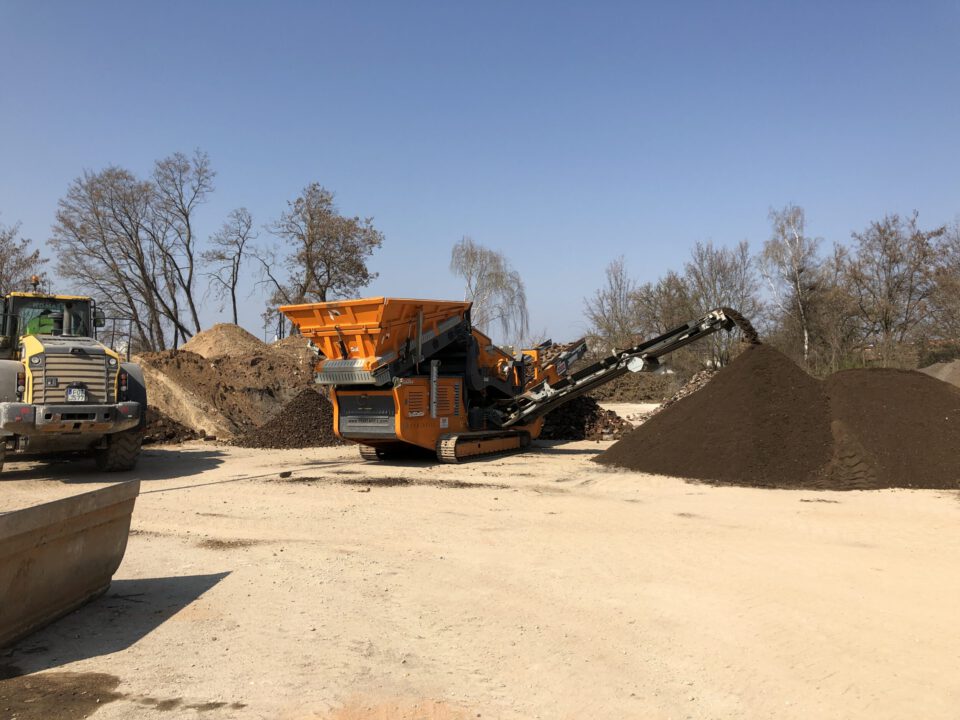
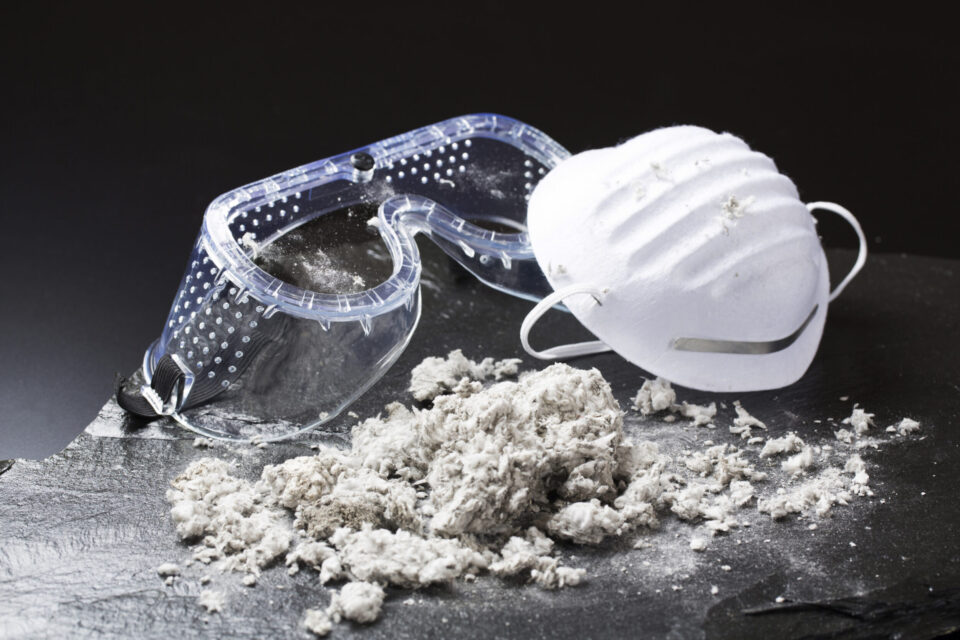
Asbestos is a naturally occurring silicate mineral that was widely used in the construction industry until its ban in 1993 due to its excellent resistance to heat, acids, and fire, as well as its high strength. As long as asbestos remains bound within a material, it poses no immediate risk. However, when fibres are released—for example through drilling, grinding, or breaking—and inhaled, they can cause various forms of cancer. Particularly insidious is the fact that the latency period between exposure and the onset of disease can span several decades. During recycling, demolished concrete is crushed for reuse, making the asbestos contained in asbestos-bearing components a significant challenge. By separating asbestos-containing components and contaminated concrete from asbestos-free demolition material, the volume of hazardous waste can be reduced while increasing the proportion of recyclable construction materials. This helps conserve valuable primary raw materials.
LGA IUA CONDUCTS ASBESTOS SAMPLING ACROSS GERMANY
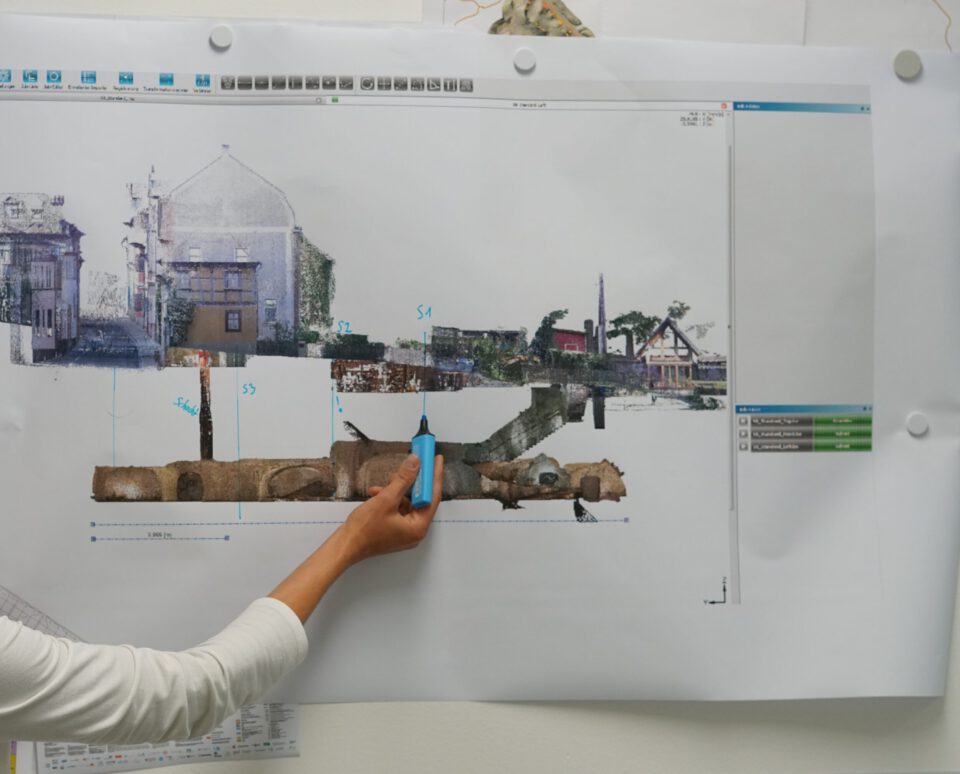
With the growing number of prestressed concrete bridges, particularly those dating from the 1960s and 1970s, reaching the end of their service life, the number of assignments for graduate geologist Bernd Malkmus from the LGA Institute for Environmental Geology and Contaminated Sites, LGA IUA for short, is also increasing. Where spacers and formwork tie components in bridge structures cannot be identified with the naked eye, the concrete surfaces must first be ground using low-emission methods. Asbestos investigations and assessments are carried out in accordance with the requirements of VDI 6202 Part 3. “We are now working on projects all across Germany,” says Malkmus. Following the investigation, the client receives an expert report with recommendations for action, which serves as a basis for the construction project and the associated tendering process.