
RELATIVELY NEW SERVICE FROM LGA-GEO: SOIL SCIENCE CONSTRUCTION SUPERVISION
"The soil protection law has been around for a long time, but the topic of soil protection and soil science construction supervision has only recently come into focus."
The protection of soils has long been anchored in soil protection law as well as in construction and nature conservation law. "Anyone who affects soils must take precautions against harmful changes to ensure natural soil functions. As far as possible, impairments must be avoided, damage repaired, and natural soil functions restored," states the legal text.
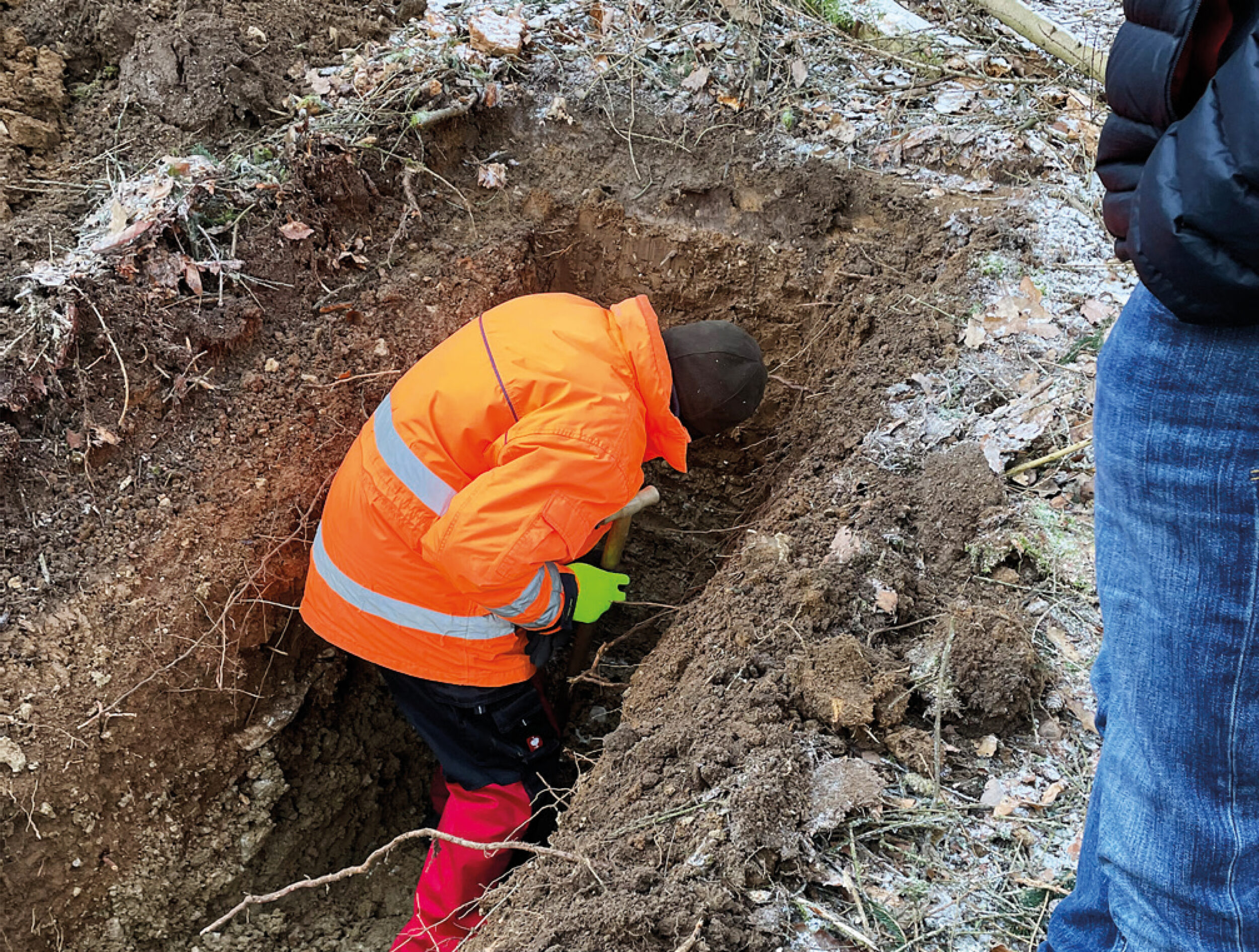
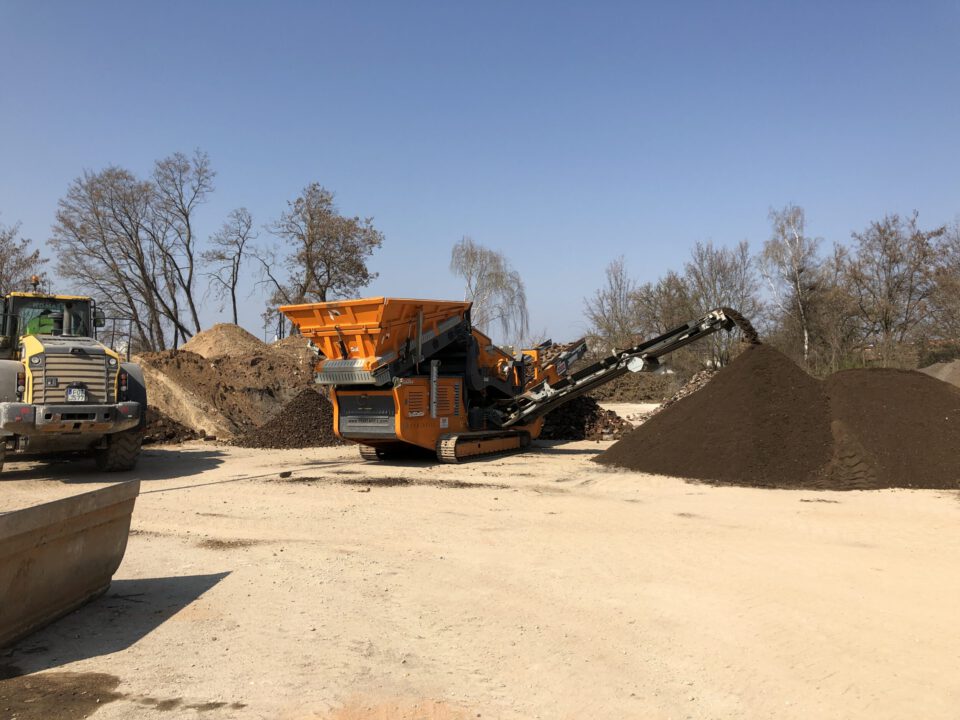
Soils are an important part of our environment, whose natural functions must be restored after the completion of a construction project. This is where soil science construction supervision (BBB) comes in. "Careful handling of soil is particularly necessary on areas that are only used during construction and are to be re-greened after completion," recommends a guideline. "In almost all cases, it is advisable to start specialist planning as early as possible. This way, necessary measures can be planned, and time and resources saved," explains Jochen Köhler, a graduate geoecologist and authorized signatory of the LGA Institute for Environmental Geology and Contaminated Sites GmbH (LGA-geo) in Nuremberg. After all, these requirements are often part of the conditions set by the responsible authorities.
The impacts on soils from construction activities can vary greatly. Compaction is one of the most common impacts. For example, peat soils or wet sites are particularly susceptible to compaction, and unsuitable weather conditions can increase the susceptibility to compaction. A general guideline for soil science construction supervision is: For complex interventions in soils, especially soils with high functionality or particularly sensitive soils, or for an intervention area > 3,000 m², it is advisable to commission soil science construction supervision.
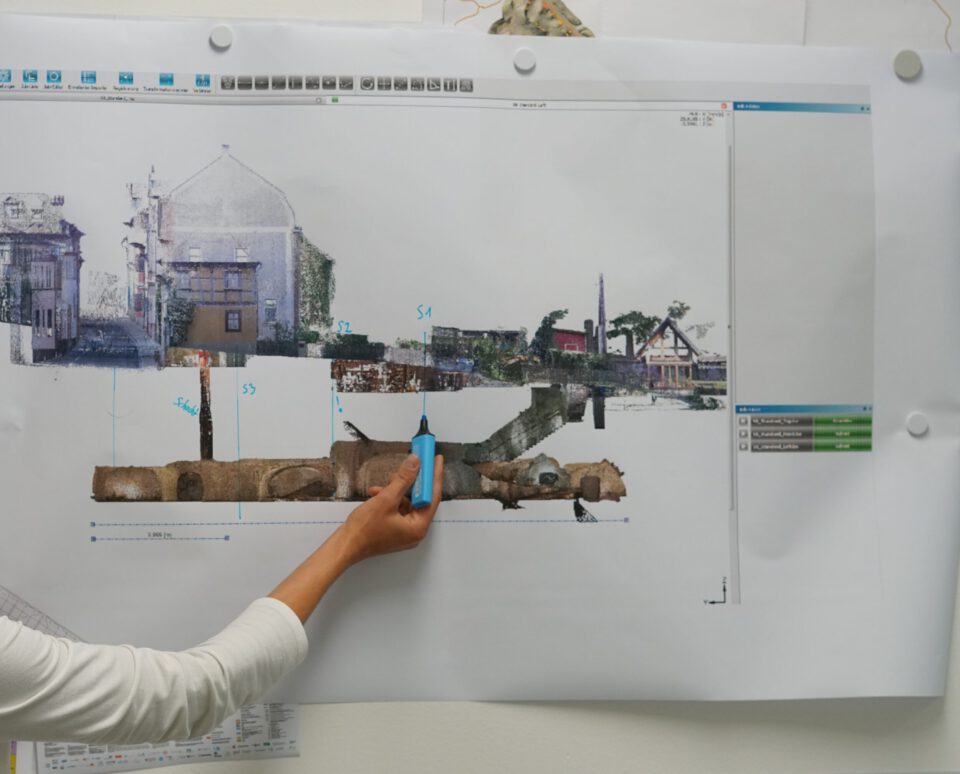
A good example of complex soil protection is the major German project SüdLink, a planned route for high-voltage direct current transmission lines (HVDC lines). Two parallel lines are to transport the electrical energy generated from wind power in the north of the Federal Republic to southern Germany over a distance of around 700 km. The lines are mostly laid underground. Even in the vicinity of large construction sites, the transport and storage of heavy materials and excavations can affect soils. "Soil protection law has been around for a long time, but the topic of soil protection and soil science construction supervision has only recently come into focus," Köhler continues. Compliance with legal requirements is therefore mandatory, and the concepts for this are as varied as the construction projects and locations. "Soil protection," says Corinna Schillinger, geoecologist at LGA-geo, "begins with an inventory before the start of construction work."
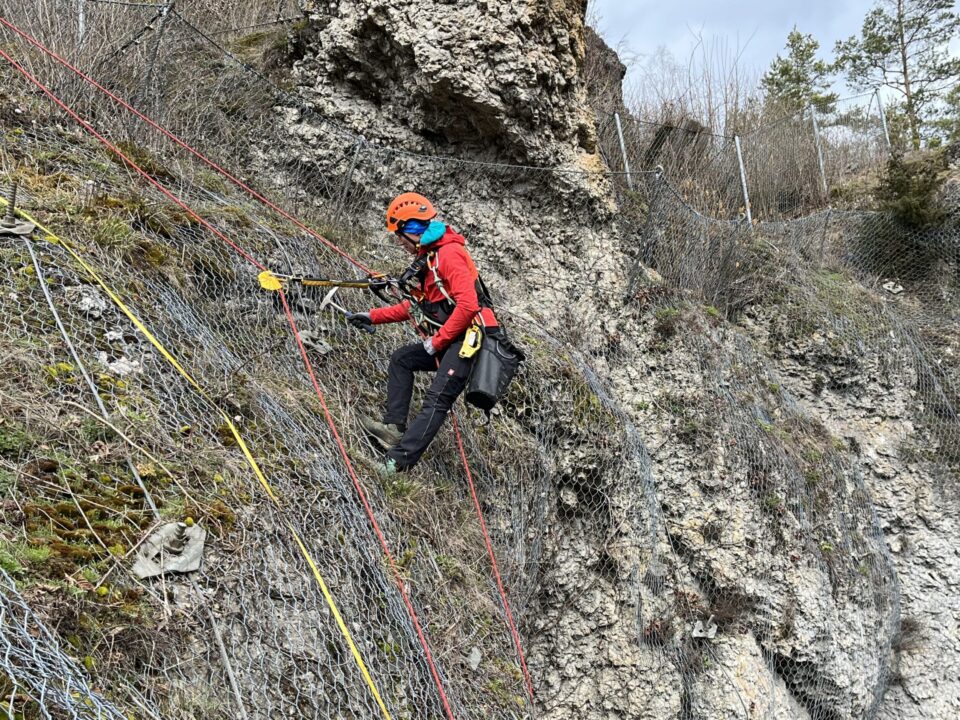
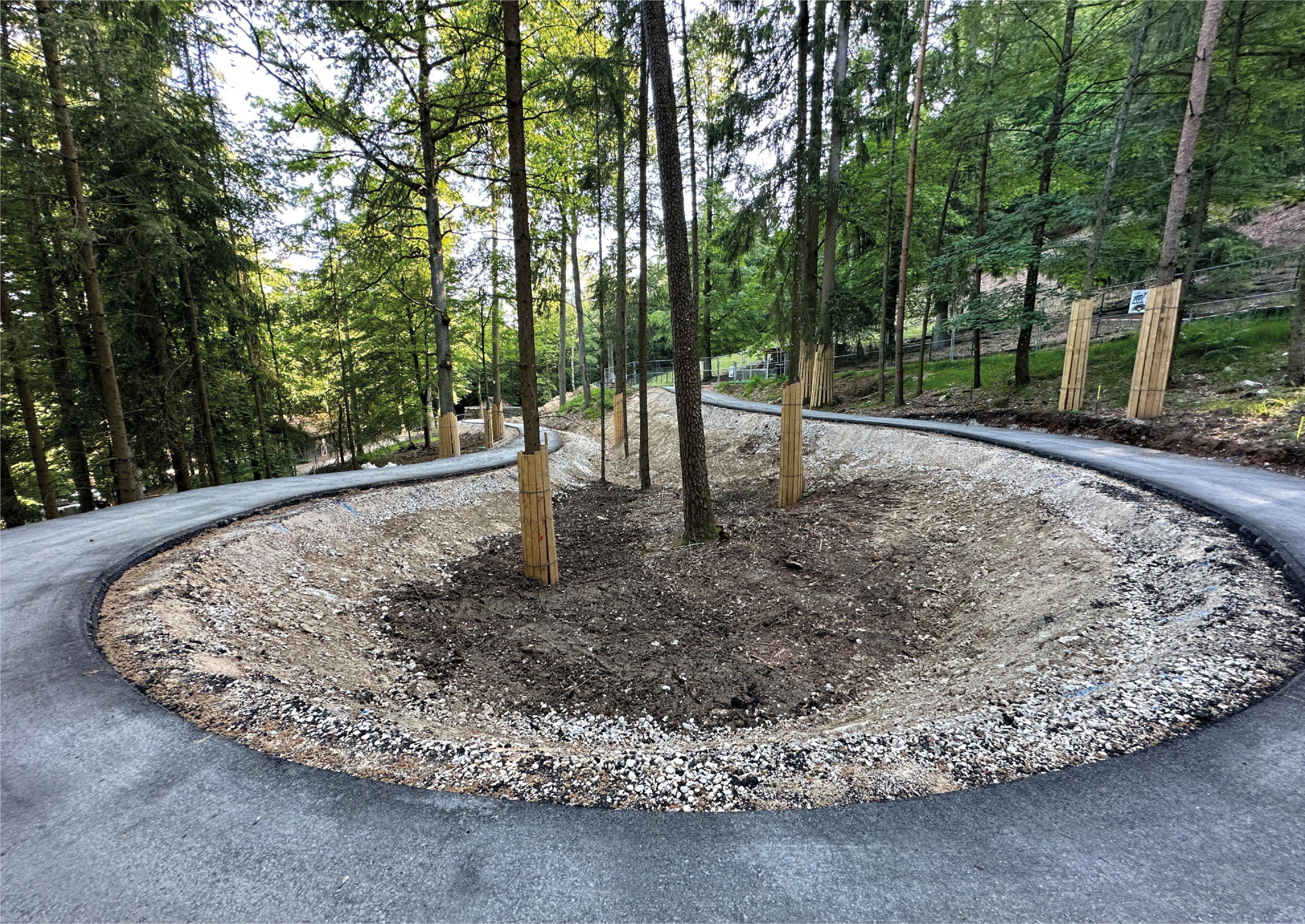
Another example – this time close to nature – is construction work in the Hundshaupten Wildlife Park, a popular destination in Franconian Switzerland. About 40 animal species live here in a varied, expansive landscape. The park is to receive barrier-free pathways for a total of 3.9 million euros. A complex task: here steep terrain, natural paths in a forest area that should be easy to walk on, there nature: "Ecological construction supervision not only considers the soils but also the flora and fauna," says Corinna Schillinger. Ecological and soil science construction supervision often complement each other. The aim is to offer solutions and mediate. Ideally, planning should start early: An amphibian protection program for the fire salamander living in the nature park includes coordinating construction phases with spawning times and erecting protective fences.
For the smooth implementation of construction projects, the topics of ecological and soil science construction supervision should be considered in the planning phase in the future.